
BRIEF INTRODUCTION
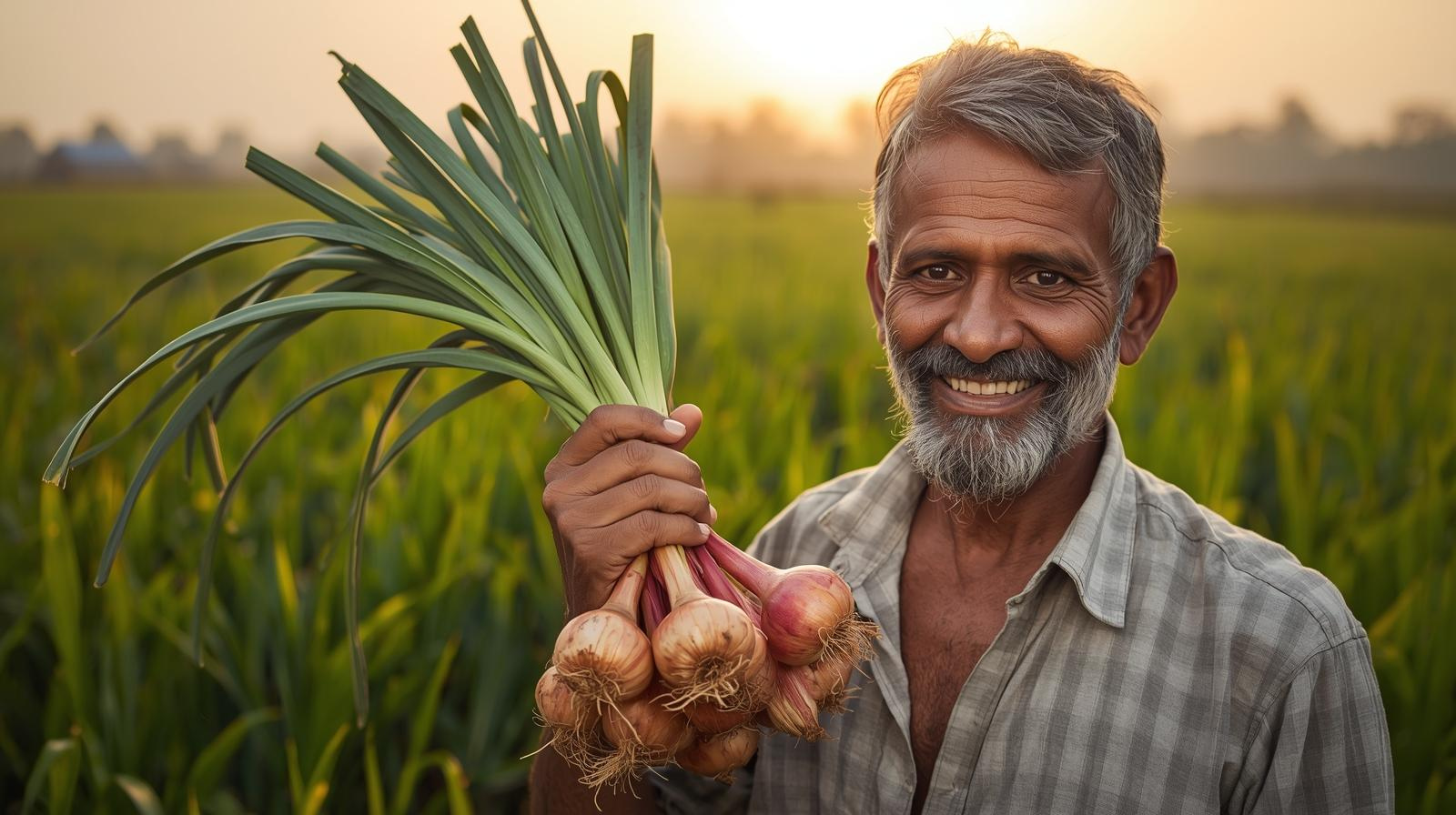
Onion (Allium cepa L.) is a major vegetable and spice crop of the Amaryllidaceae family, rich in vitamins B and C, minerals, and sulfur compounds, and is widely used for domestic consumption, processing, and export. India is the second-largest producer of onions after China, with major producing states including Maharashtra, Karnataka, Gujarat, Madhya Pradesh, and Tamil Nadu. In Karnataka, it is mainly grown in Chitradurga, Vijayapura, Bagalkot, Dharwad, Gadag, Kolar, Chikkaballapur, Belagavi, and Haveri, with Chitradurga and Vijayapura being the top districts.
SOIL AND CLIMATE
| Soil type | pH | Ideal Temperature |
|---|---|---|
Well-drained, fertile, and non-crusting soil. Sandy loam to clay loam soils Remark: Highly alkaline and saline soils are not suitable | 6.0-7.0 | 20-25℃ |
ONION VARIETIES
| Variety Name | Suitable season | Irrigated / Dry land Adaptability | Maturity (Days) | Special Characters |
|---|---|---|---|---|
Sangam Selection | Kharif | Irrigated
| 90–110 days. | Flat-globe bulbs, pink/red skin, 100–110 g avg bulb wt, skin dries quickly after harvest. |
Red Diamond | Kharif | Irrigated | Irrigated | Globe to semi-flat. Attractive shiny red colour; Good market appearance. |
KSP-135 | Kharif
| Irrigated
| 90–100 days
| Semi-flat to round; Dark red bulbs, Avg bulb wt ~90–125 g (catalogue variants). Good storage. |
Red Gulabi | Kharif | Irrigated | ~100–120 days
| Round/dark-red (China type / gulabi), Bulb wt often 100–150 g in catalogs, Good TSS / market colour. |
Bhima Super | Kharif | Irrigated | 10–115 days | Round/globular, dark-red types, good single-center bulbs and keeping quality, used in rabi/late kharif as well. |
Prasidhi 117 | Late Kharif | Irrigated | ~120–125 days | Globe, dark-red; bulb wt ~110–120 g; good storage and bolting tolerance noted in seed catalogs. |
Ellora Gold | Rabi / Kharif | Irrigated | 110–120 days | Oval-round to round; pinkish-red / dark red; bulb wt often 120–150 g |
Pune Fursungi | Kharif & Rabi | Irrigated | ~110–120 days | Flat-round; light-red / pinkish red; good keeping (8–9 months storage claimed for some hybrids). |
Nasik Red | Kharif and Rabi | Irrigated | ~110–150 days | Red, round to flat-round; good market colour; many hybrids (N-53 series) claim better uniformity & storage. |
Indo American | Kharif | Irrigated | ~90 days | Light-red to red hybrids (globe to semi-flat) |
INDAM Marshal | Kharif | Irrigated | 90–110 days
| Light-red / rhombic or globular bulbs; Early maturity / market-oriented. |
Prema-178 | Kharif | Irrigated | ~110–115 days | Red colour, medium to large bulbs good plant vigor and uniformity. |
LAND PREPARATION AND CULTIVATION METHODS
| Transplanting | Broadcasting | |
|---|---|---|
Seed Bed Preparation & Land Preparation | Seed bed preparation •7.5m x 1.2 m and 10cm raised beds are prepared •10 beds are required for one acre of planting •Apply 30-40kg FYM and 18-46-0 or 20-20-0-13 per acre •Sow the seeds at 7.5cm row spacing and irrigate beds immediately •3 -4 weeks after sowing, seedlings are transplanted to the main field. | Direct Land Preparation: •Plough the field thoroughly. •Apply 10 tonnes of FYM (farmyard manure) per acre. •Perform harrowing to break clods and level the field. •Broadcast fertilizer: 50 kg/acre of 18-46-0 or 20-20-0-13. •Broadcast the seeds evenly across the field. |
Seed rate | 2 kg/acre | 3 kg/acre |
Initial FYM requirements | 30-40kg FYM for bed preparation | 10 tonne/acre
|
Transplanting time
| Transplant 3–4 week old healthy seedlings in the main field. | |
Seed treatment | Before sowing, treat the seeds with captan @ 2-3g/kg seed, Oxon 50g/kg | Before sowing, treat the seeds with captan @ 2-3g/kg seed, Oxon 50g/kg |
Season of sowing | June- July, Sept- Oct, Jan- Feb | June- July, Sept- Oct, Jan- Feb |
Irrigation | •First irrigation is given immediately after transplanting •Subsequent irrigation is given at 7-10 day intervals •To improve the storage life of bulbs, stop at least 15 days before harvesting. •Total number of irrigations: 15-18 (rabi) and 8-10 (kharif) | |
Intercrop | Chilli (suppresses weeds), Marigold, Tomato, Carrot, Palak (reduces pest populations like thrips). | |
Spacing | 15x10cm in transplanting ; |
FERTILIZER RECOMMENDATION
| Crop Stage (Days) | Complex fertilizers | Foliar spray | Dosage (kg/acre) | Application Method |
|---|---|---|---|---|
0-21 days | 18:46:0 or 20:20:0:13 | 12:61:0
| 1 kg | Foliar spray |
21–40 Days (Early vegetative); | 20:20:0:13 or 24:24:0 | 19:19:19 | 1 kg | Foliar spray |
40-80 Days (Vegetative growth) | 12:32:16 or 10:26:26 | 13:0:45 | 1 kg | Foliar spray |
80-100 Days (Bulb initiation) | MOP | 0:0:50 | 1 kg
| Foliar spray |
WEED MANAGEMENT
| Crop Stage (Days) | Weedicide Recommendation | Dosage |
|---|---|---|
Pre-emergence | Bensulide | 1 L/acre |
Post-emergence (After 21 days) | (Oxyflurofen 23.5% EC + Quizalofop-ethyl 5%) or (Oxyflurofen 23.5% EC + Fenoxaprop-p-ethyl) Or (Oxyfluorfen 23.5% EC + Propaquizafop 10% EC) Propaquizafop 5% + Oxyfluorfen 12% EC | Oxyflurofen 23.5% EC- 100ml /acre (Quizalofop-ethyl 5% or Fenoxaprop-p-ethyl or Propaquizafop 10% EC) - 250 ml/acre Propaquizafop 5% + Oxyfluorfen 12% EC 350ml/acre |
CROP CALENDAR
| Days | Operation | Recommendation / Message to Farmer |
|---|---|---|
0–21 Days (Transplanting / Seedling Establishment) | Seedling transplant/land preparation
|
|
21–40 Days (Vegetative Growth) | Fertilization, irrigation, pest/disease management |
|
40–80 Days (Bulb Initiation)
| Fertilization, foliar nutrition |
|
80–100 Days (Bulb Growth) | Top dressing, irrigation, pest/disease control. |
|
101–120 Days (Harvest Stage) | Harvest & post-harvest handling
|
|
NUTRIENT MANAGEMENT
Macronutrients
| SYMPTOMS | RECOMMENDATION | |
|---|---|---|
Nitrogen (N) | •Leaves become yellowish green, erect and upright, curled, wilted, and dwarf. •At maturity, the tissue above the bulbs becomes soft. | Foliar spray of Urea 1% or DAP 2% twice at weekly intervals. |
Phosphorus (P) | •Slow growth, maturity blazed. •Leaf colour becomes light green and bulbs have few dried outer peals. •Tip burn in older leaves | •Soil application of recommended dose of phosphorous should be applied at the time of sowing or planting. • Foliar spray of DAP 2% twice at fortnightly intervals. |
Potassium (K) | •Potassium is highly mobile within the plant. •Symptoms of extreme potassium deficiency appear first on young leaves. •Tip burn may occur. •Leaves become dark green and erect. •Bolting (premature flowering) is promoted. •Older leaves turn yellow and necrotic. | Foliar application of K2 SO4 @1% twice at weekly interval. |
Sulfur | •The leaves show a general overall chlorosis. •The yellowing is much more uniform over the entire plant including young leaves.
| Foliar spray of K2 SO4 or CaSO4 @ 1% twice at fortnightly interval.
|
Manganese | •Leaves show tip burn, light coloured and curling. •Growth restricted. •Bulbing delayed with thick necks. | Foliar spray of MnSO4 @ 0.3% twice at fortnightly interval |
Zinc | •Growth of the plant is restricted. •Leaves show interveinal necrosis. •In early zinc deficiency: Younger leaves become yellow. Pitting develops on the upper surfaces of mature leaves between veins. •As deficiency progresses: Intense interveinal necrosis develops. Main veins remain green. | Foliar spray of ZnSO4 @ 0.5% twice at for nightly interval. |
Iron | •Complete yellowing of young leaves occurs. •Initially appears as interveinal chlorosis on the youngest leaves. •Progresses into overall chlorosis of the leaf. •Finally, the leaf becomes totally bleached. •Symptoms first appear on the youngest leaves. | Foliar spray of FeSO4 @ 0.5%
|
PEST MANAGEMENT
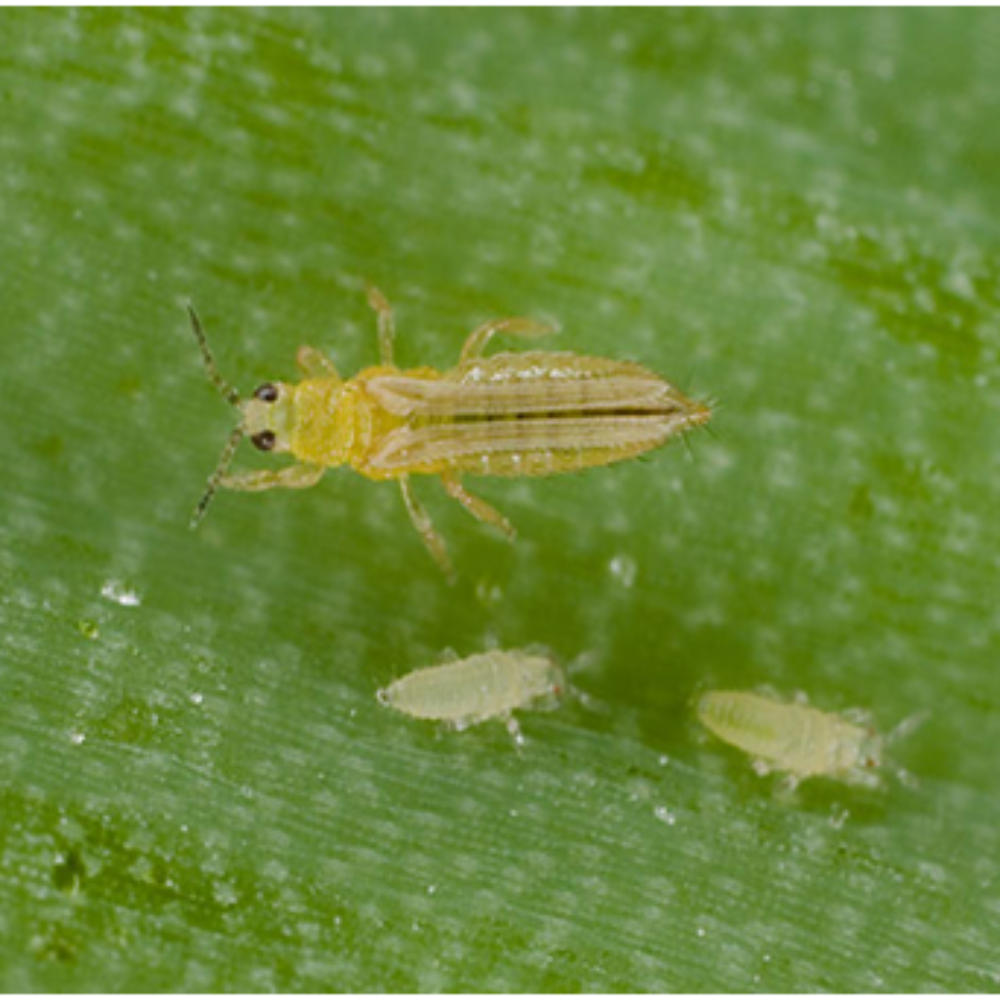
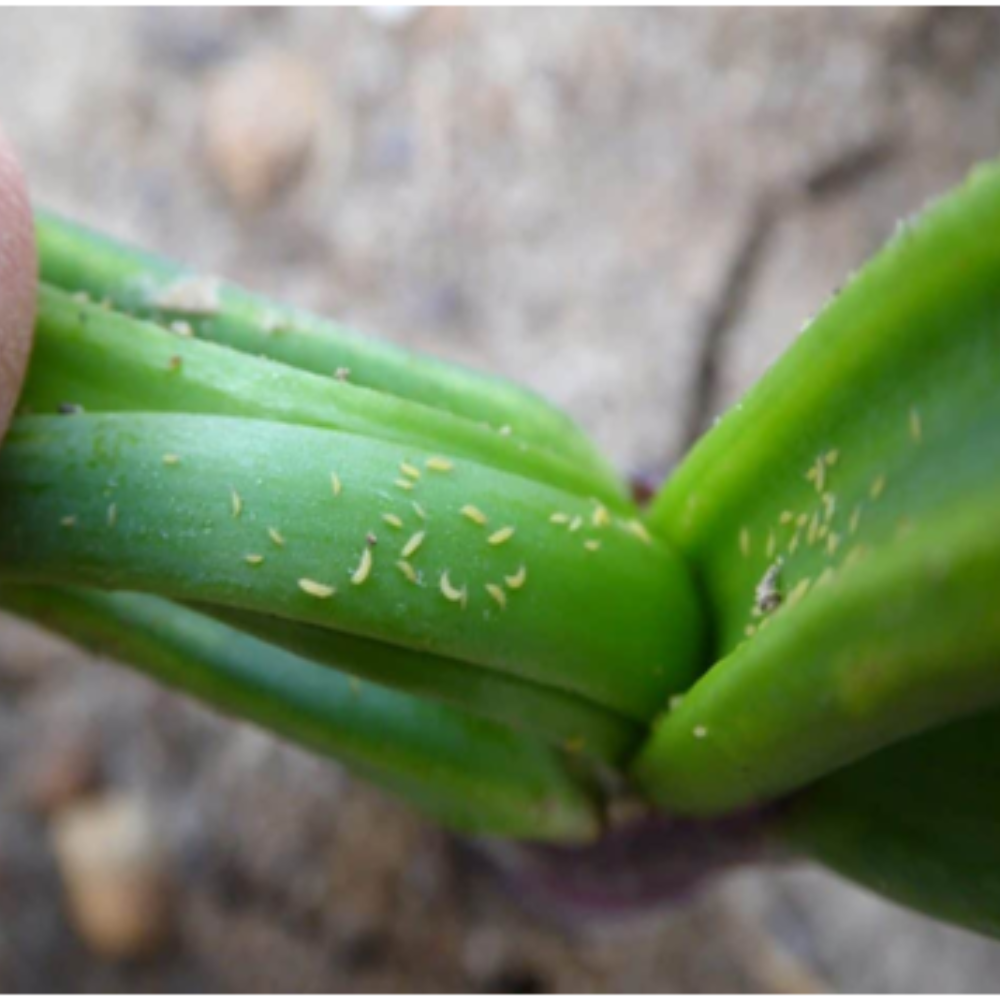
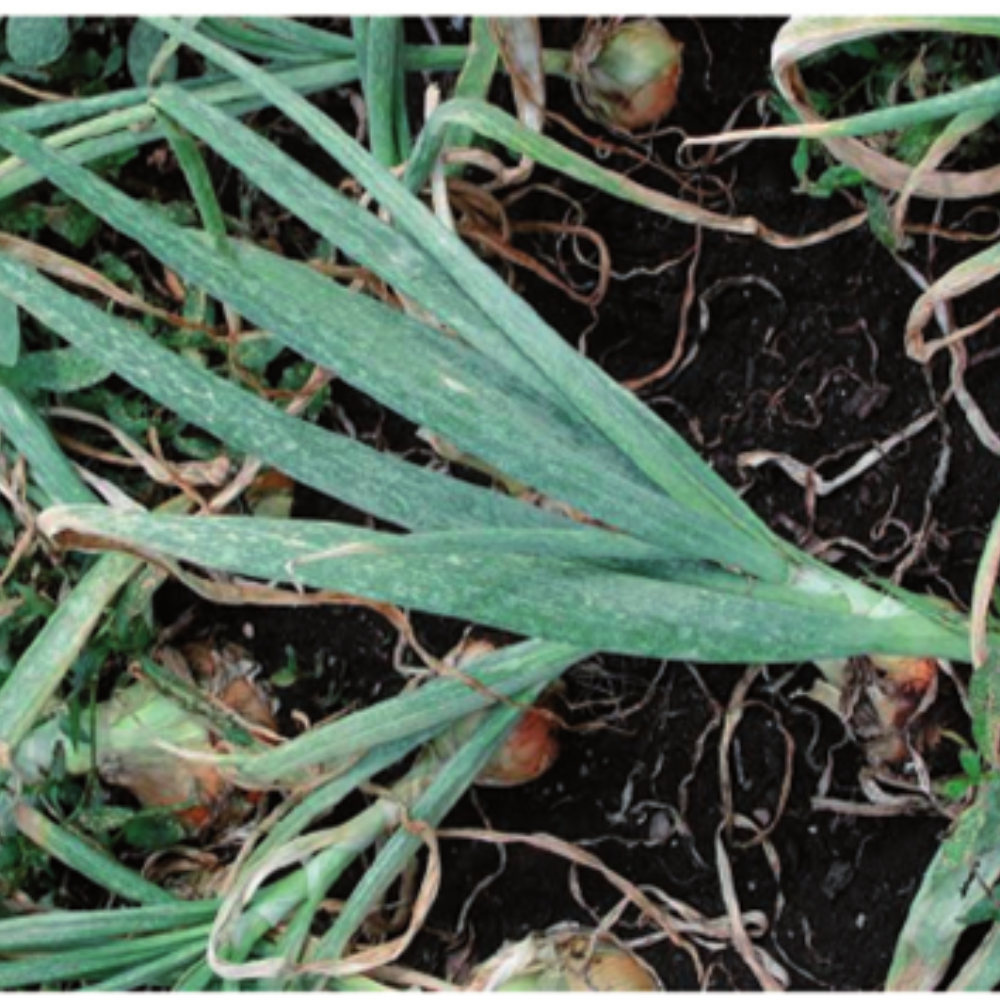
1. Thrips (Thrips tabaci)
| Symptoms | Chemical recommendation | Traps |
|---|---|---|
| Fipronil 80% WG 16-20 g per acre or Fipronil 5% SC @ 400 ml/acre or Imidacloprid 17.8% SL @ 40 ml/acre, Acephate 20% 100 g/acre • Mix in 200 L of water/acre | Blue sticky traps (30–40 traps/acre) |
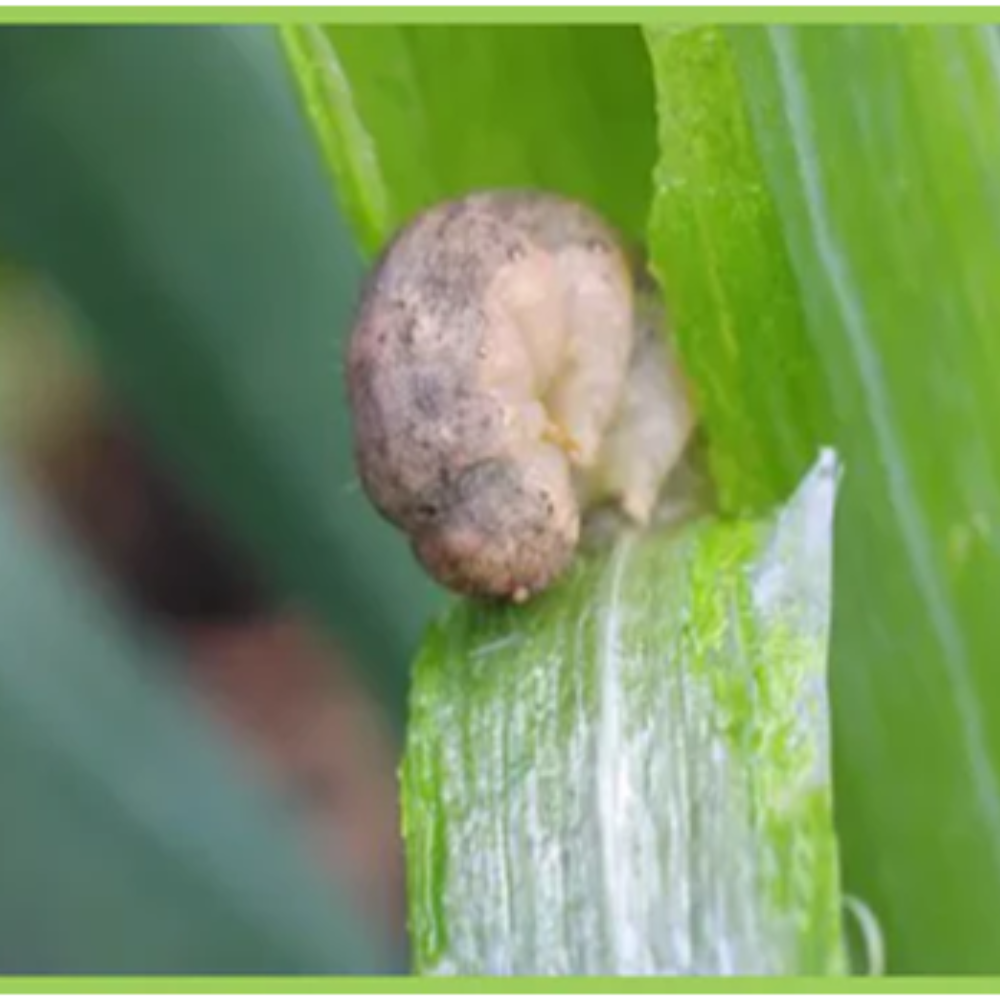
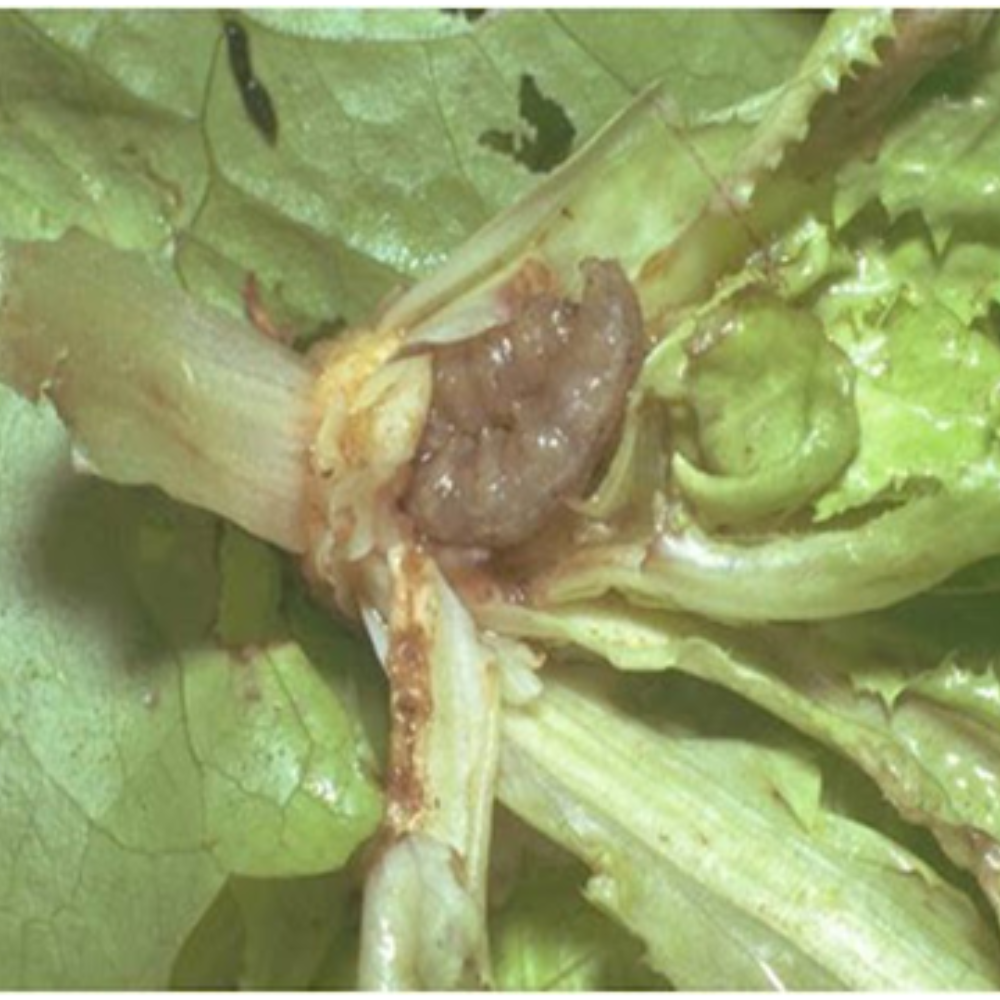
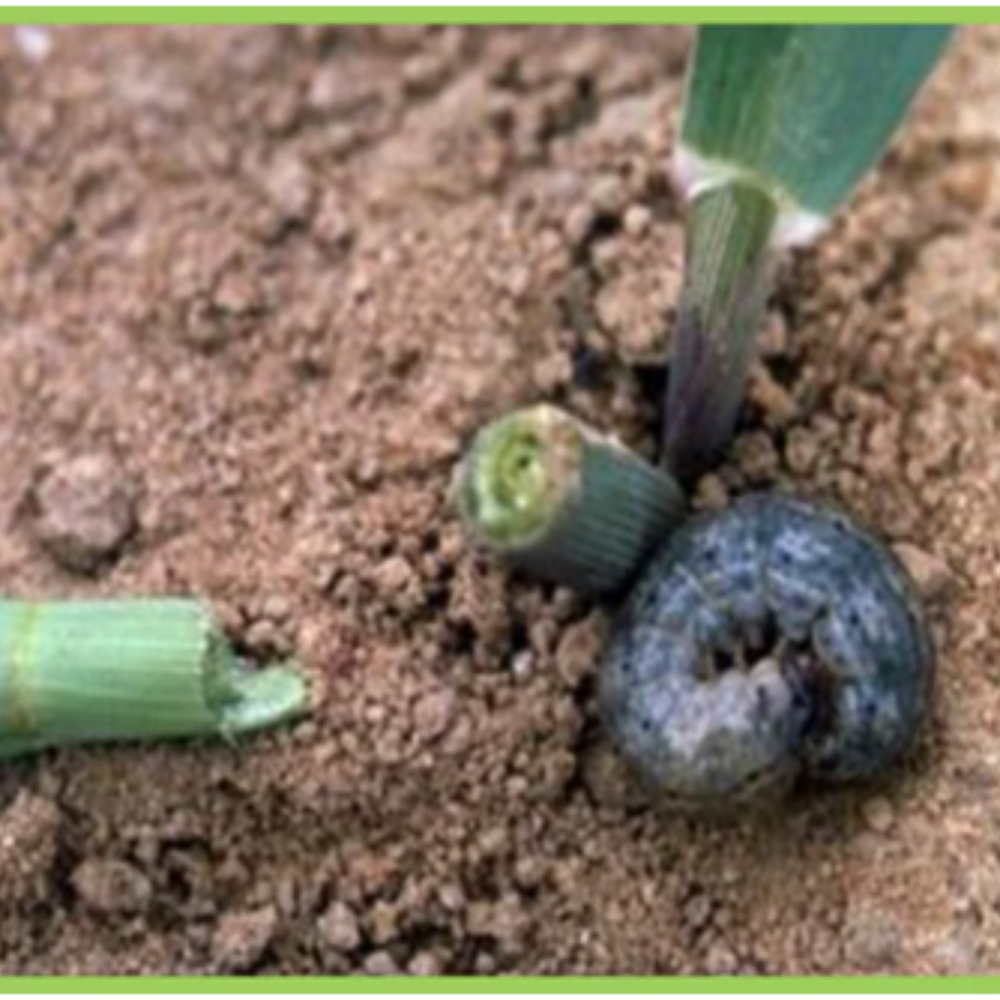
2. Cutworm (Agrotis ipsilon)
| Symptoms | Chemical recommendation | Traps |
|---|---|---|
| Lambda-cyhalothrin 2.5% EC @ 250 ml/acre, Chlorantriniliprole 9.3%+ Emamectin benzoate1.9% SC 100ml/acre , Neem oil 1000 PPM • Mix in 200 L water/acre or apply as a soil drench at planting | Pheromone traps (5–8 traps/acre); Light traps |
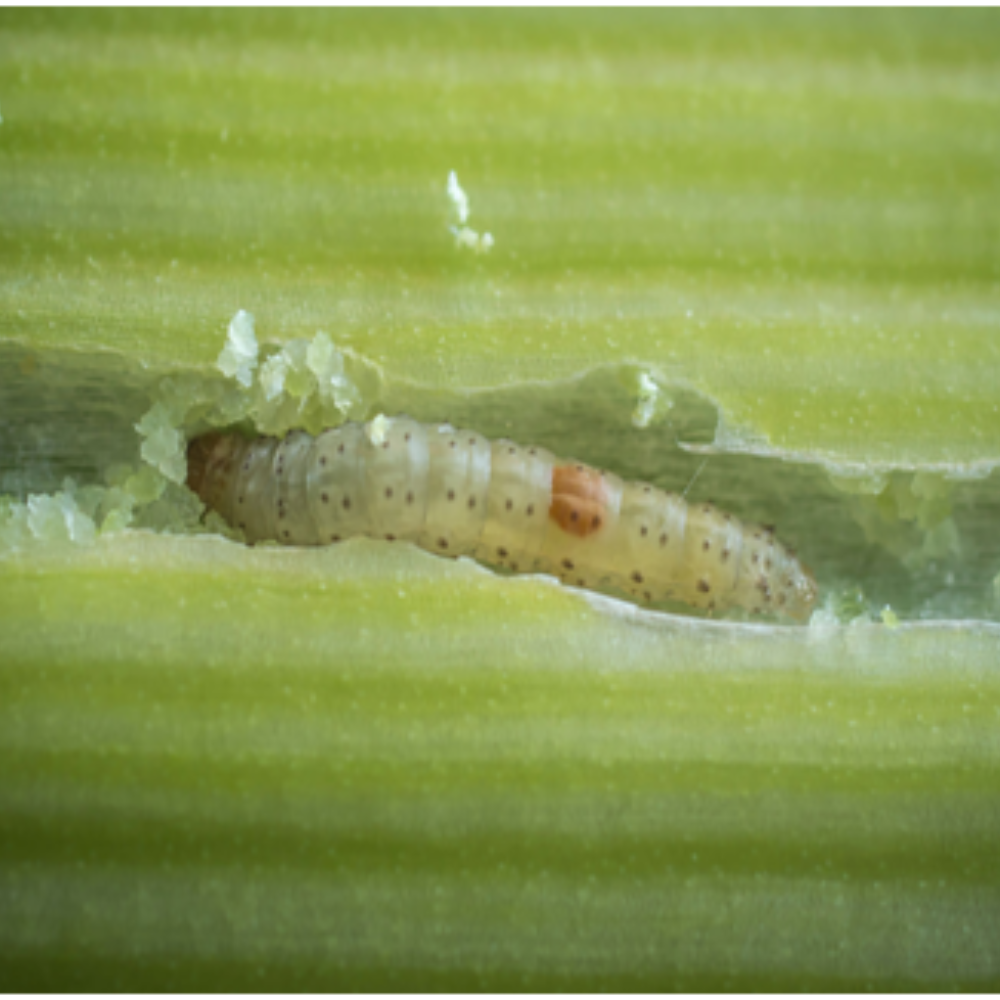
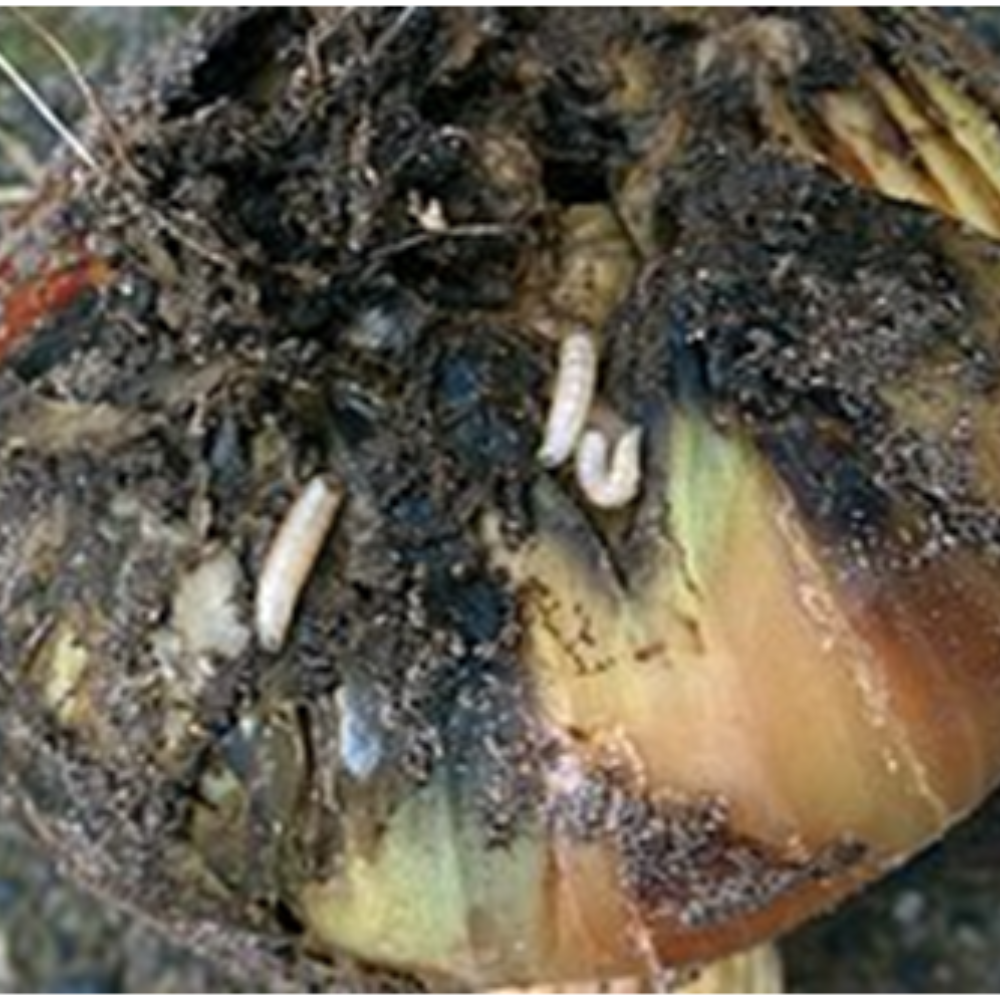
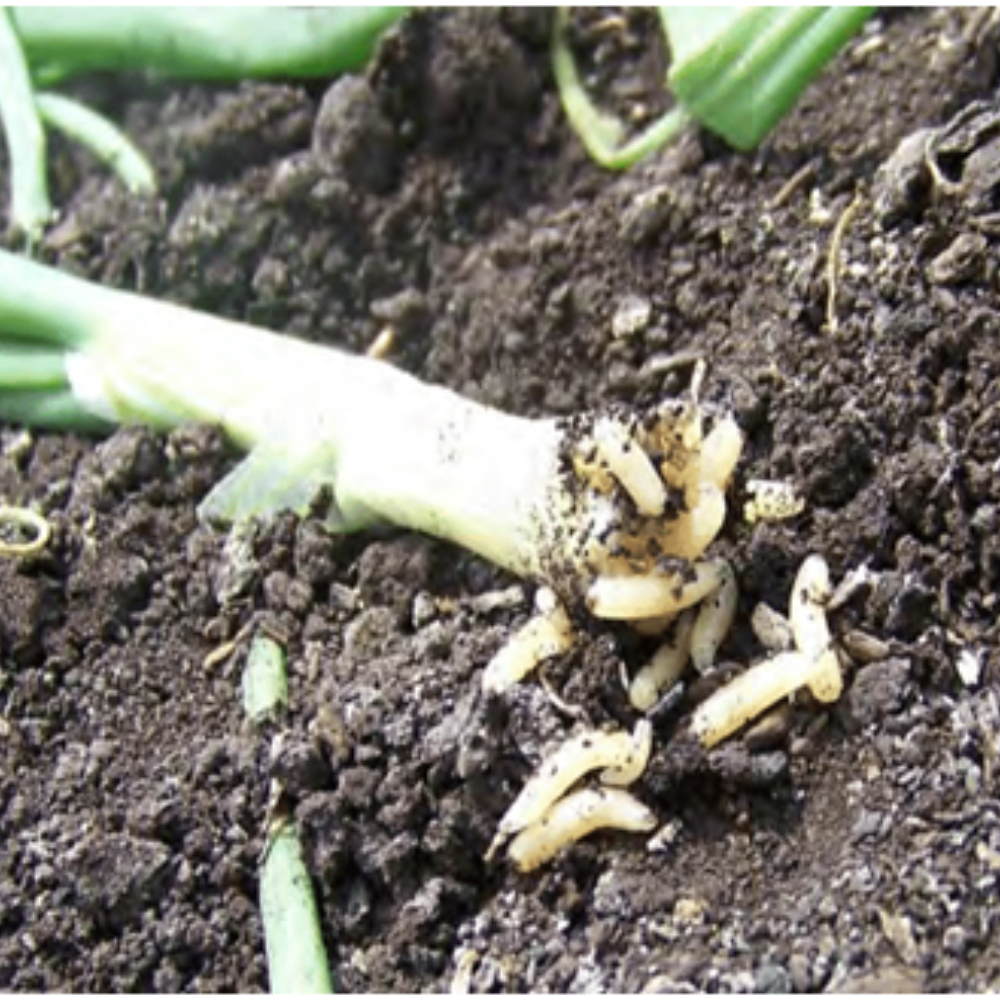
3. Onion Maggot (Delia antiqua)
| Symptoms | Chemical recommendation | Traps |
|---|---|---|
| Chlorpyriphos 20% EC @ 1 L/acre (soil drench) or Fipronil 5% SC @ 400 ml/acre, Chlorantriniliprole 9.3%+ Emamectin benzoate1.9% SC 100ml/acre • Mix in 200 L of water/acre | Yellow sticky traps Light traps / Sticky traps |
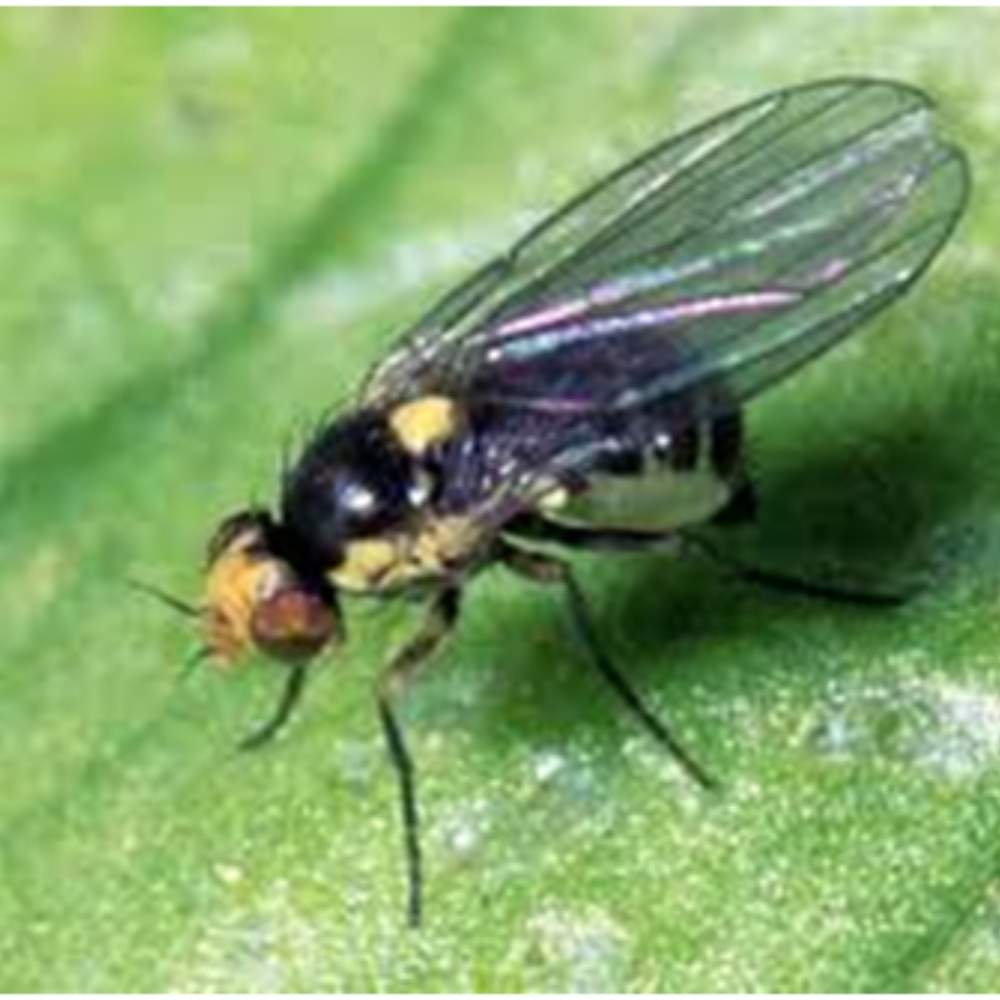
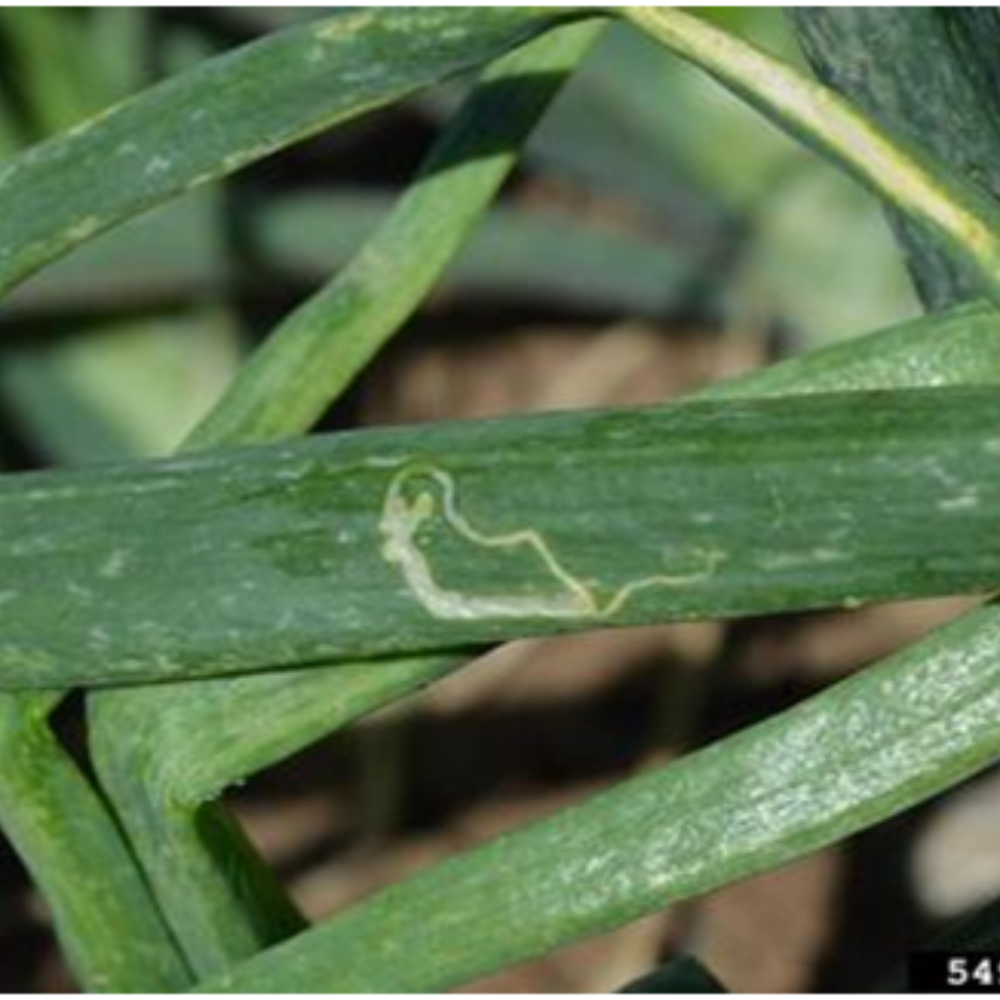
4. Leaf Miner (Liriomyza spp.)
| Symptoms | Chemical recommendation | Traps |
|---|---|---|
| Abamectin 1.9% EC @ 160 ml/acre or Cyromazine 50% WP @ 80 g/acre • Mix in 200 L of water/acre | Yellow sticky traps (25–30 traps/acre) |
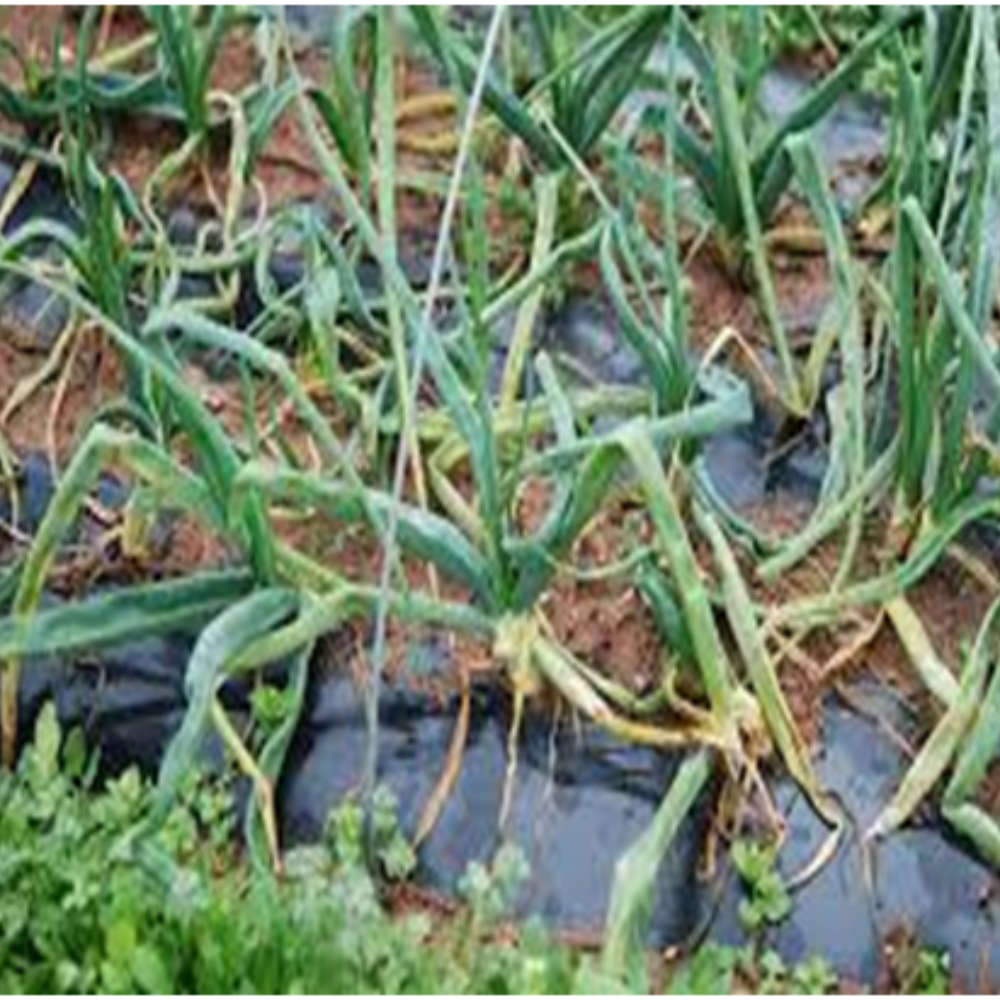
5. Armyworm (Spodoptera litura)
| Symptoms | Chemical recommendation | Traps |
|---|---|---|
| Indoxacarb 14.5% SC @ 200 ml/acre or Chlorantraniliprole 18.5% SC @ 60 ml/acre Chlorantriniliprole 9.3%+ Emamectin benzoate1.9% SC 100ml/acre • Mix in 200 L water/acre | Pheromone traps (10/acre); Light traps |
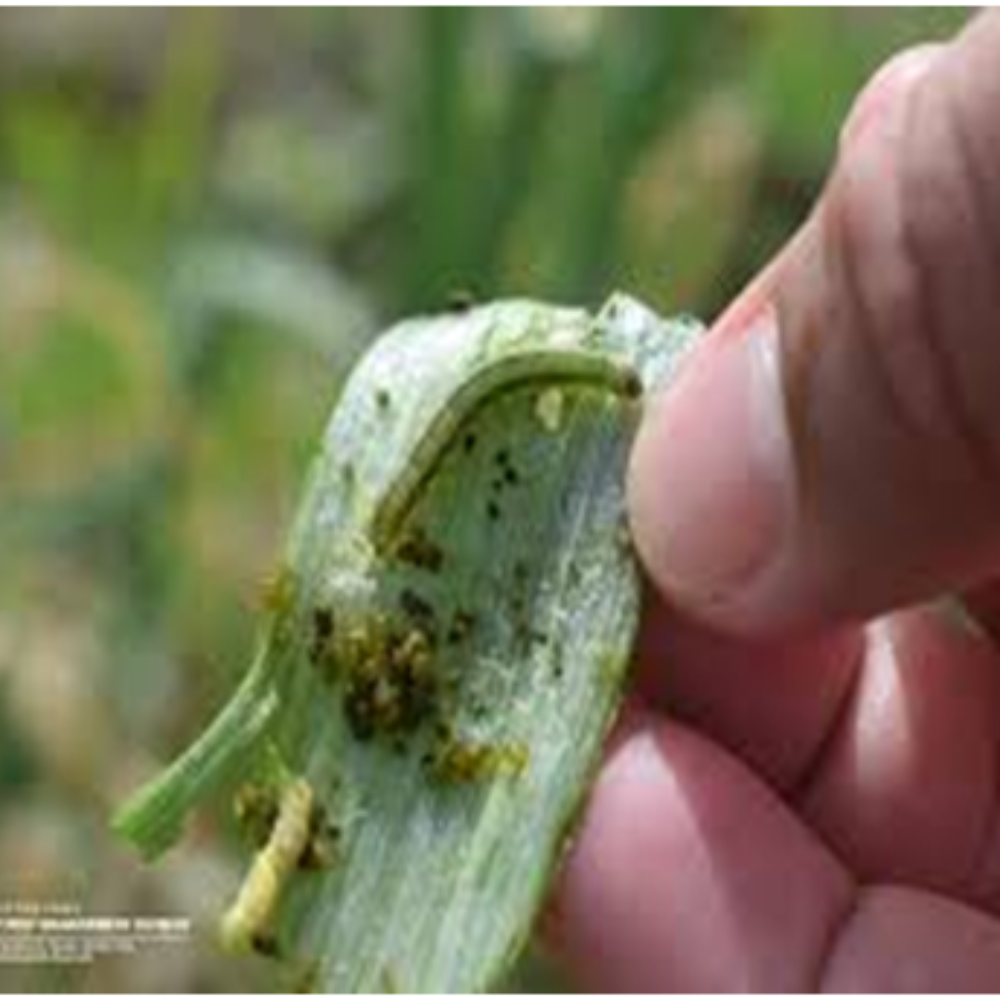
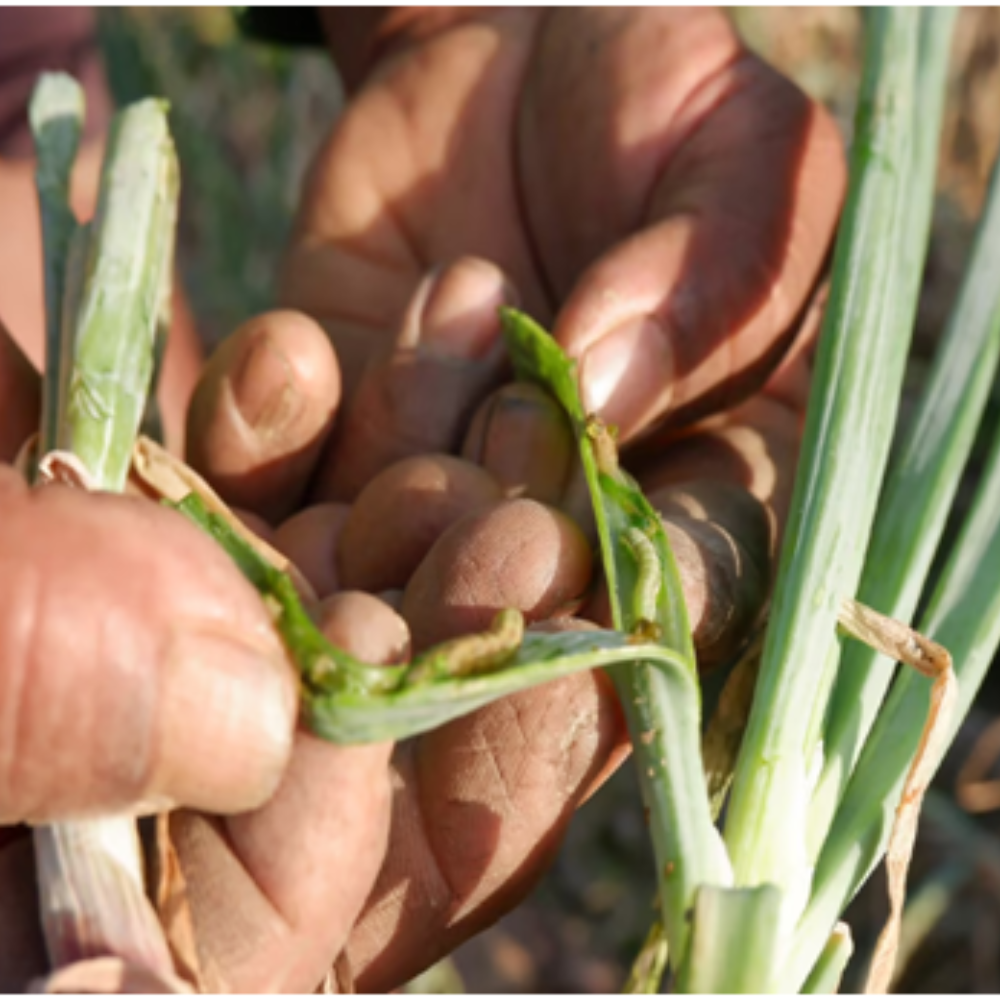
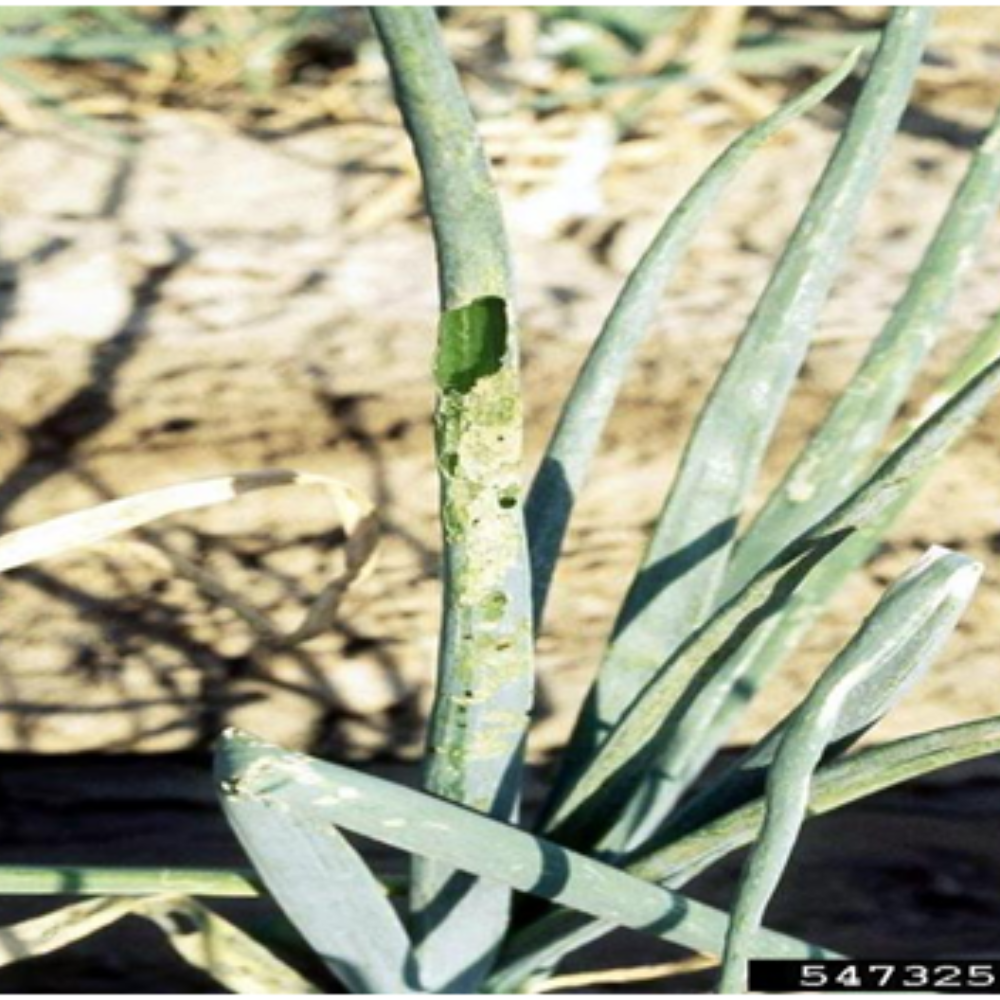
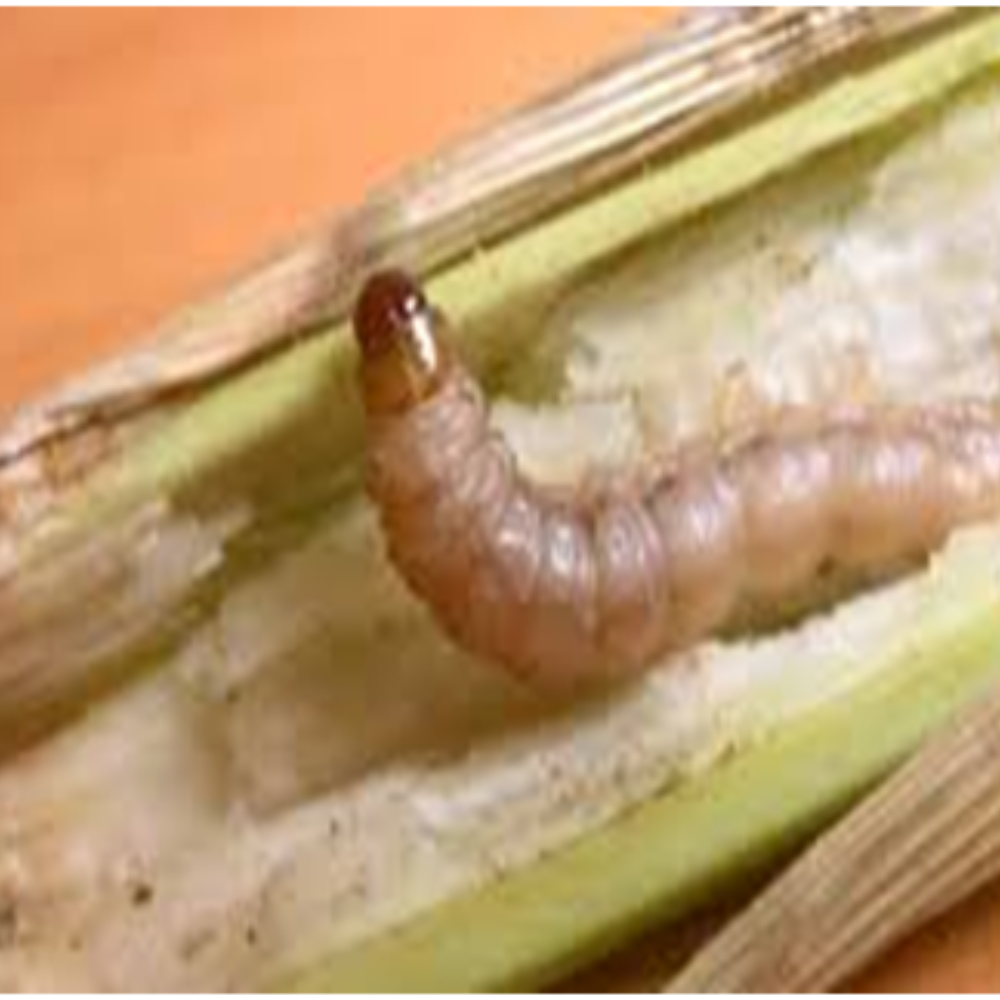
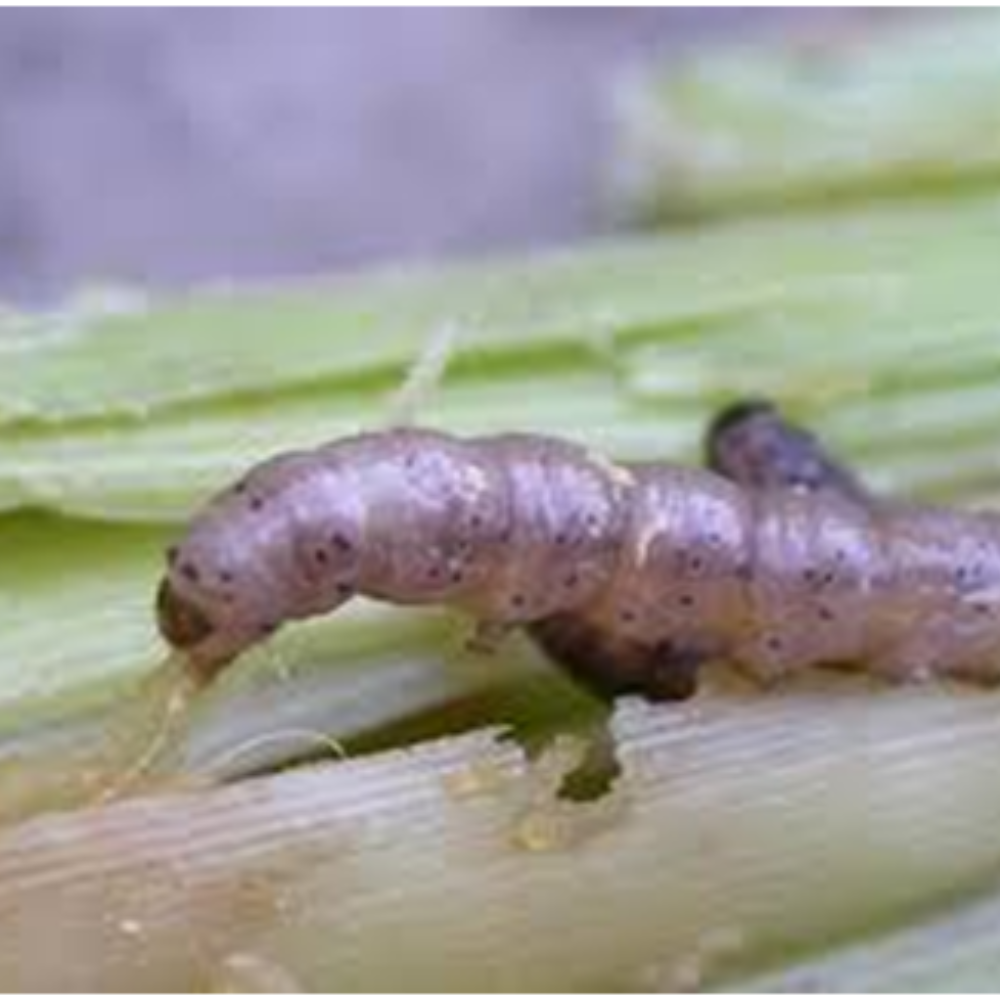
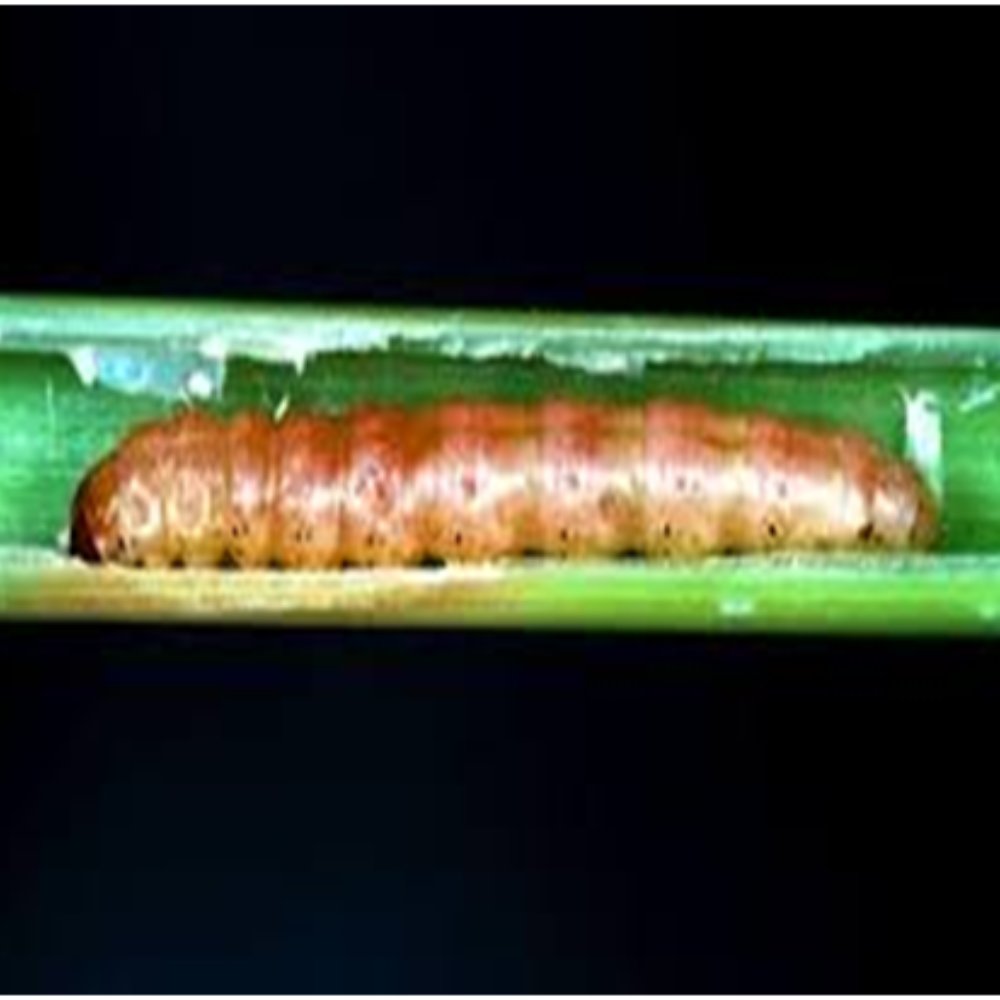
6. Stem Borer (Euzophera perticella)
| Symptoms | Chemical recommendation | Traps |
|---|---|---|
| Chlorantraniliprole 18.5% SC @ 60 ml/acre, Emamectin benzoate1.9% SC 100ml/acre • Mix in 200 L of water/acre | Light traps |
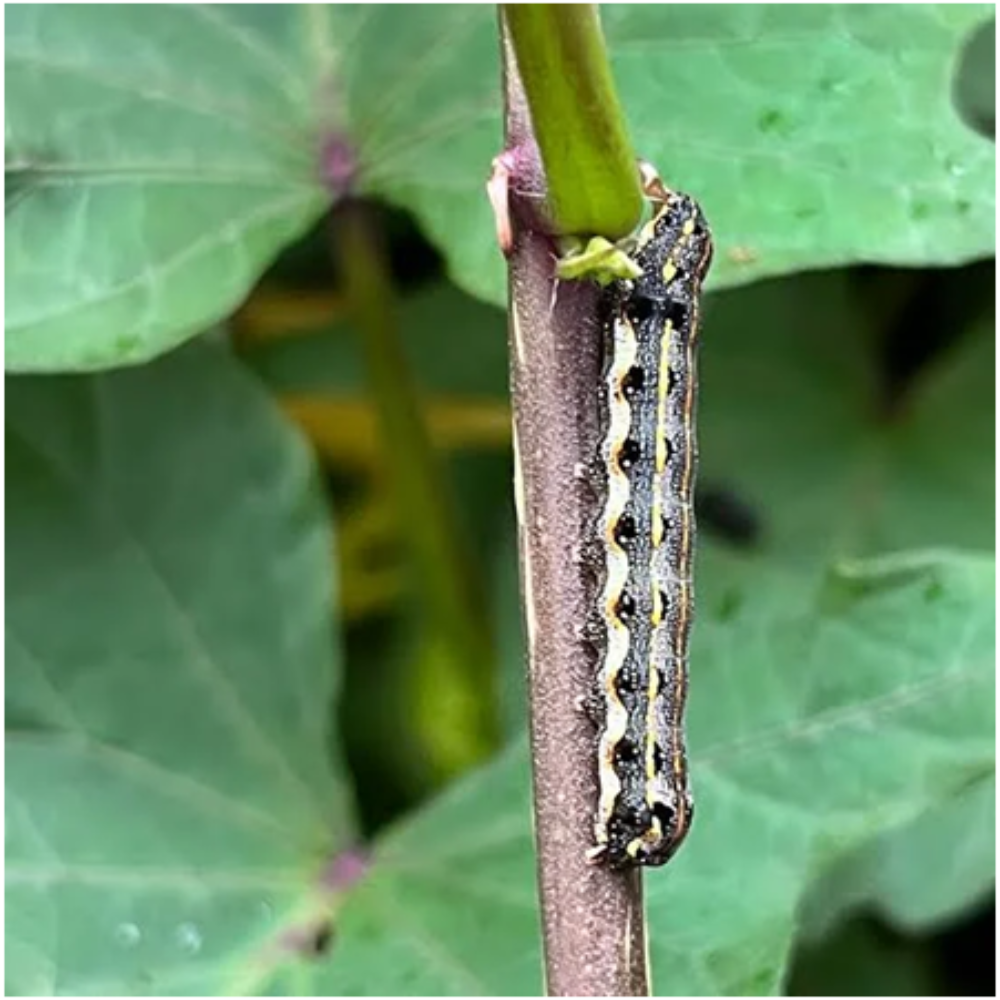
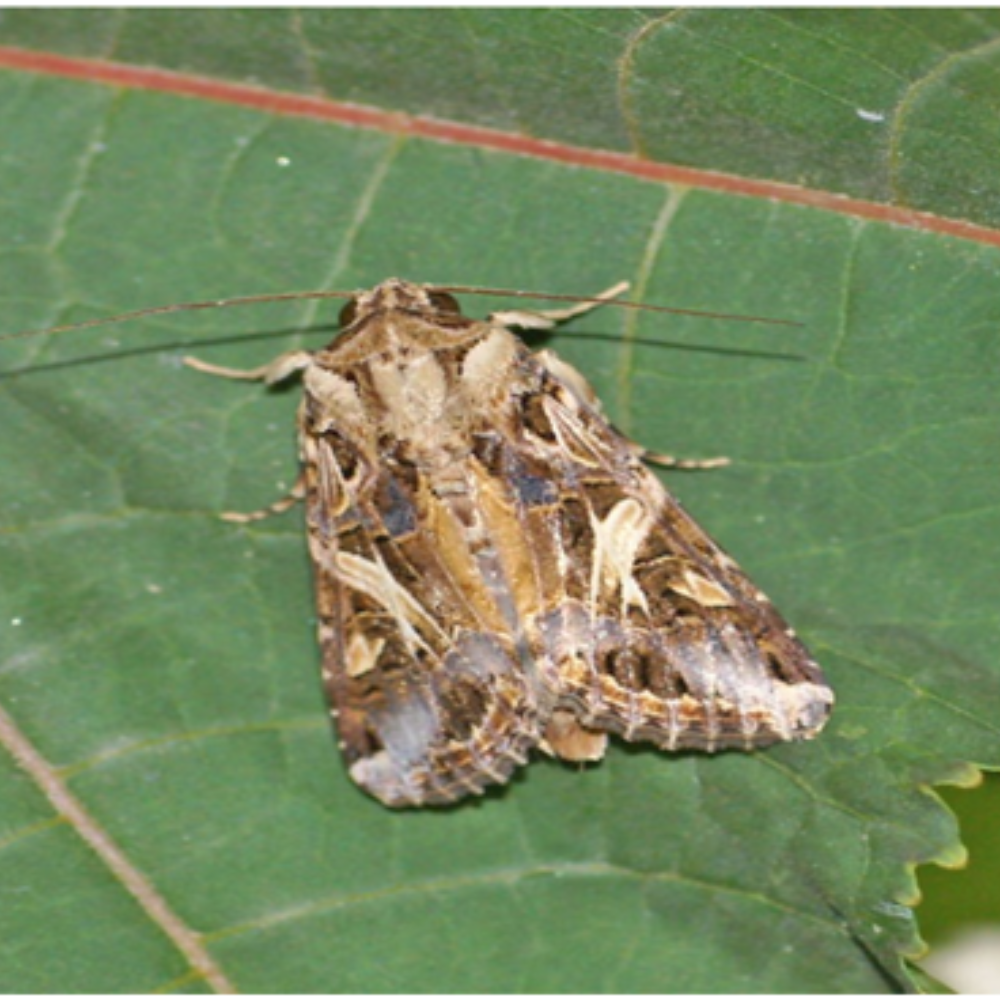
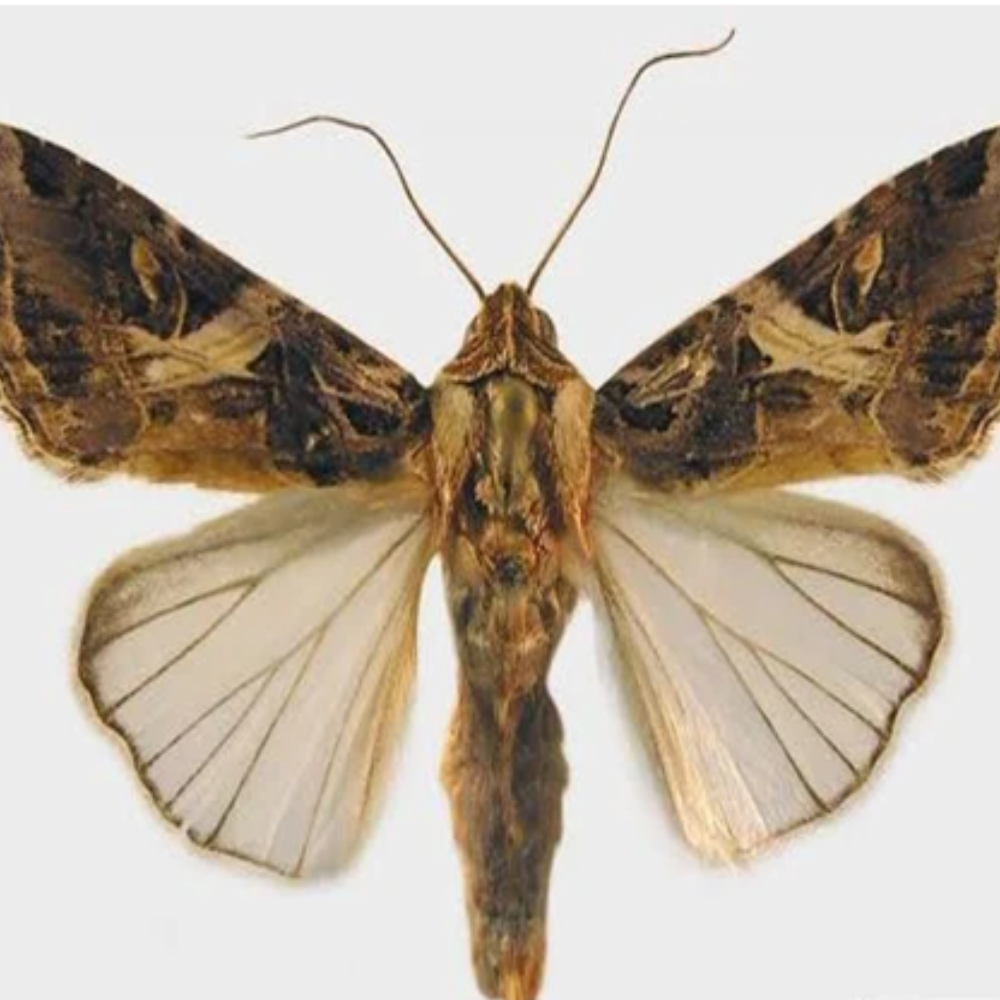
7. Tobacco Caterpillar (Spodoptera litura)
| Symptoms | Chemical recommendation | Traps |
|---|---|---|
| Emamectin benzoate 1.9% SC@ 250ml/acre or Indoxacarb 14.5% SC @ 200 ml/acre • Mix in 200 L water/acre | Pheromone traps (10/acre); Light traps |
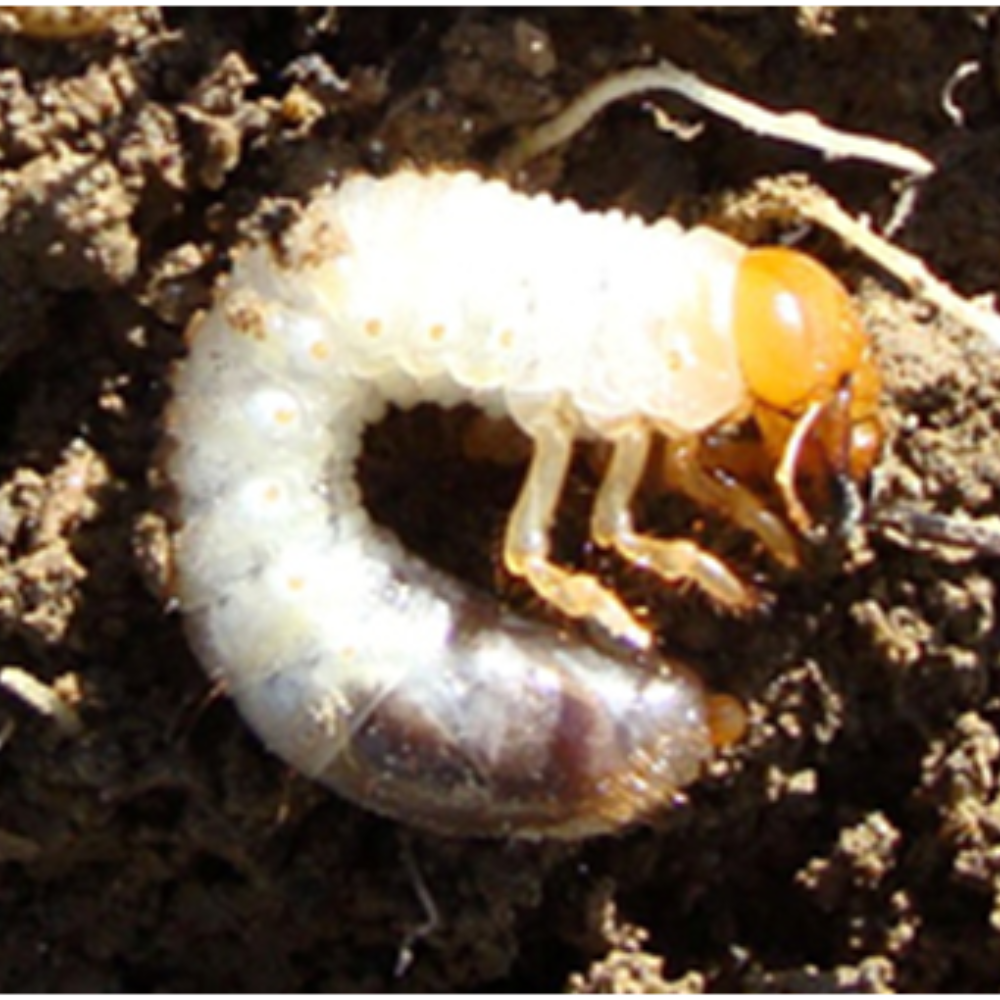
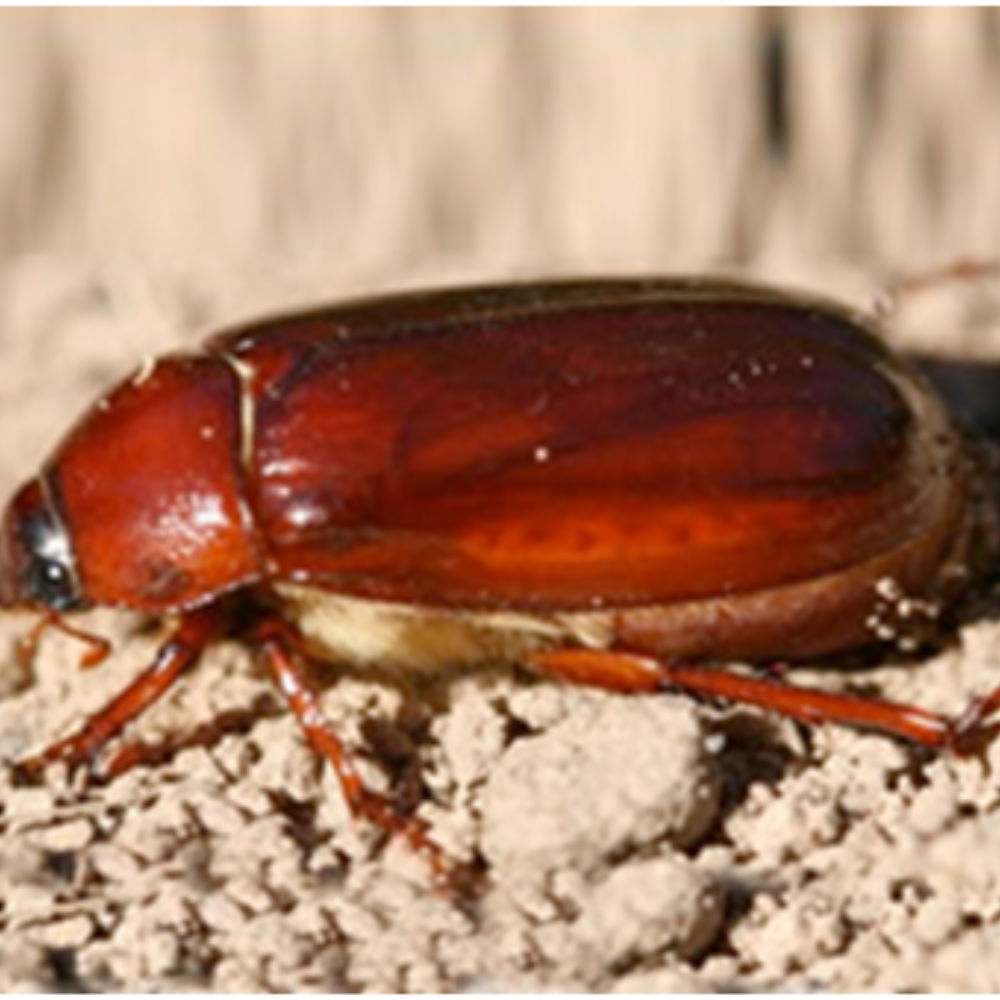
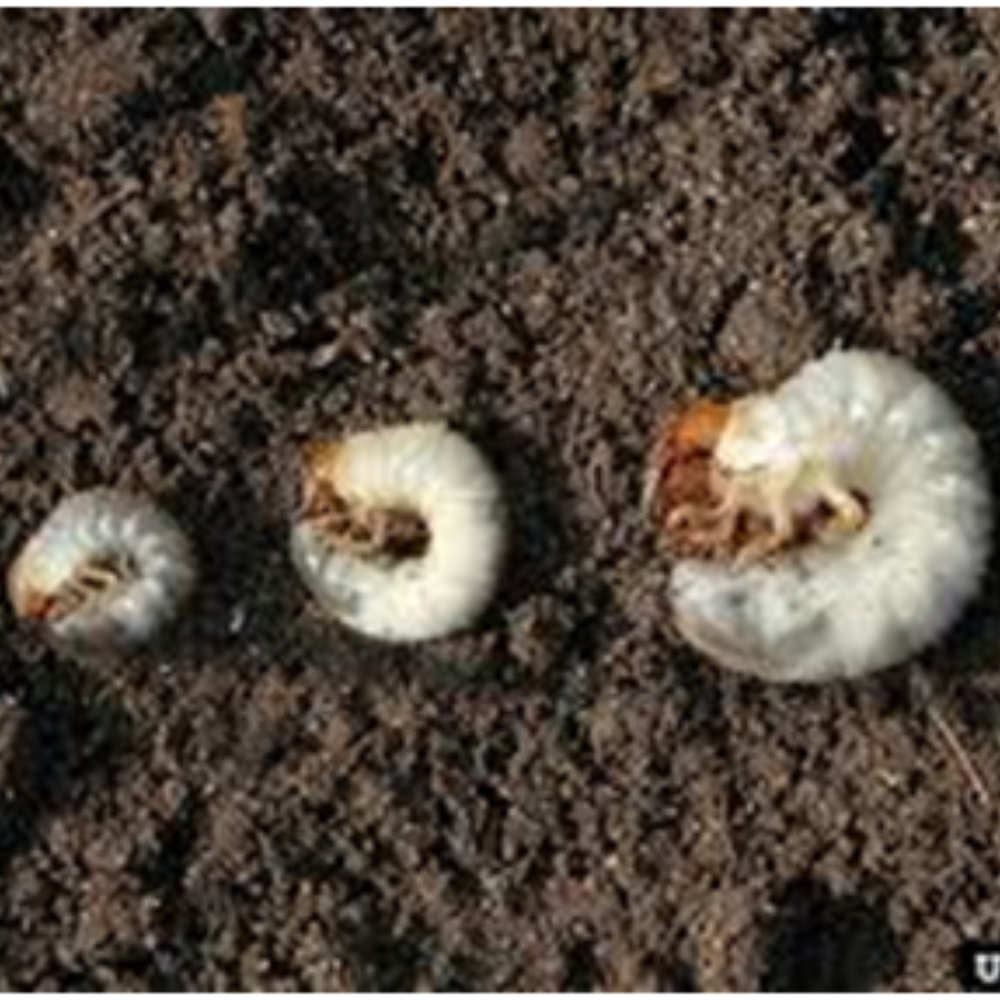
8. Root Grub / White Grub (Holotrichia spp.)
| Symptoms | Chemical recommendation | Traps |
|---|---|---|
| Chlorpyriphos 20% EC @ 1 L/acre (soil drench)COC, Trichoderma • Mix in 200 L water/acre | Light traps (during adult emergence) |
9. Aphid (Aphis gossypii)
| Symptoms | Chemical recommendation | Traps |
|---|---|---|
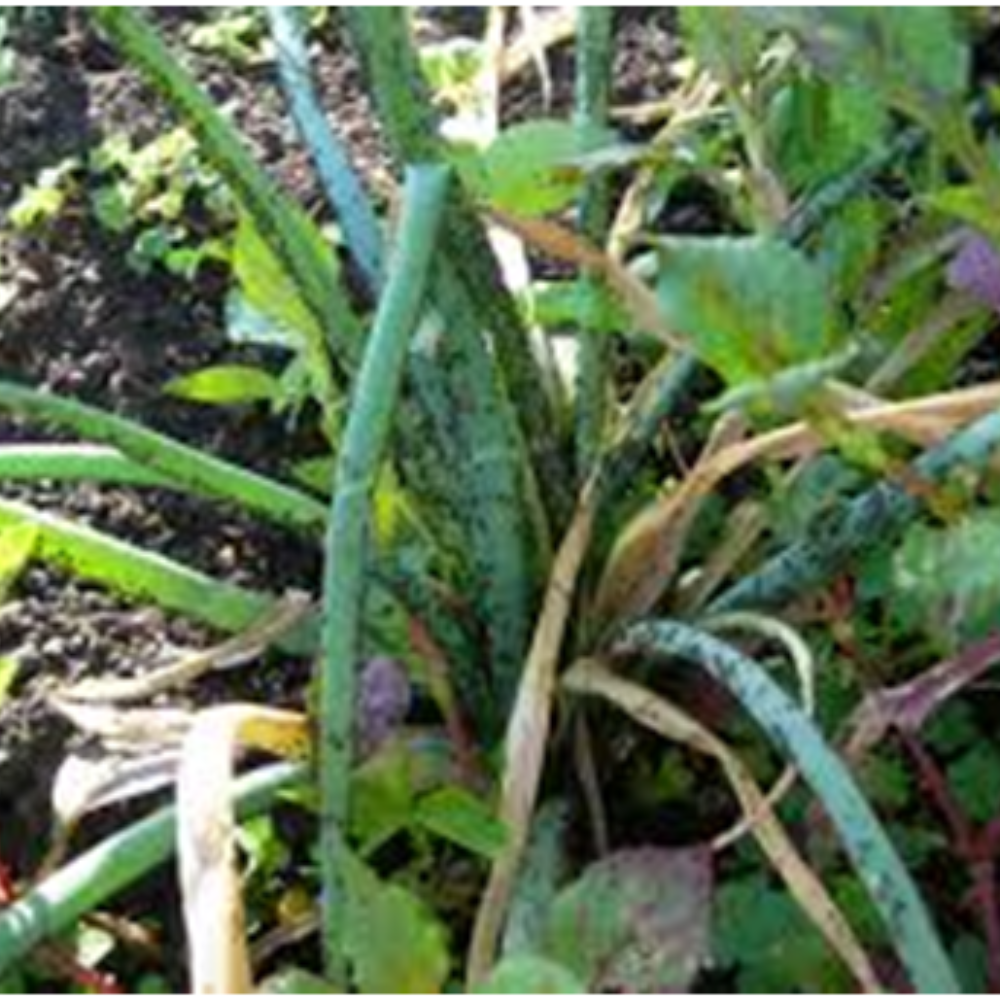
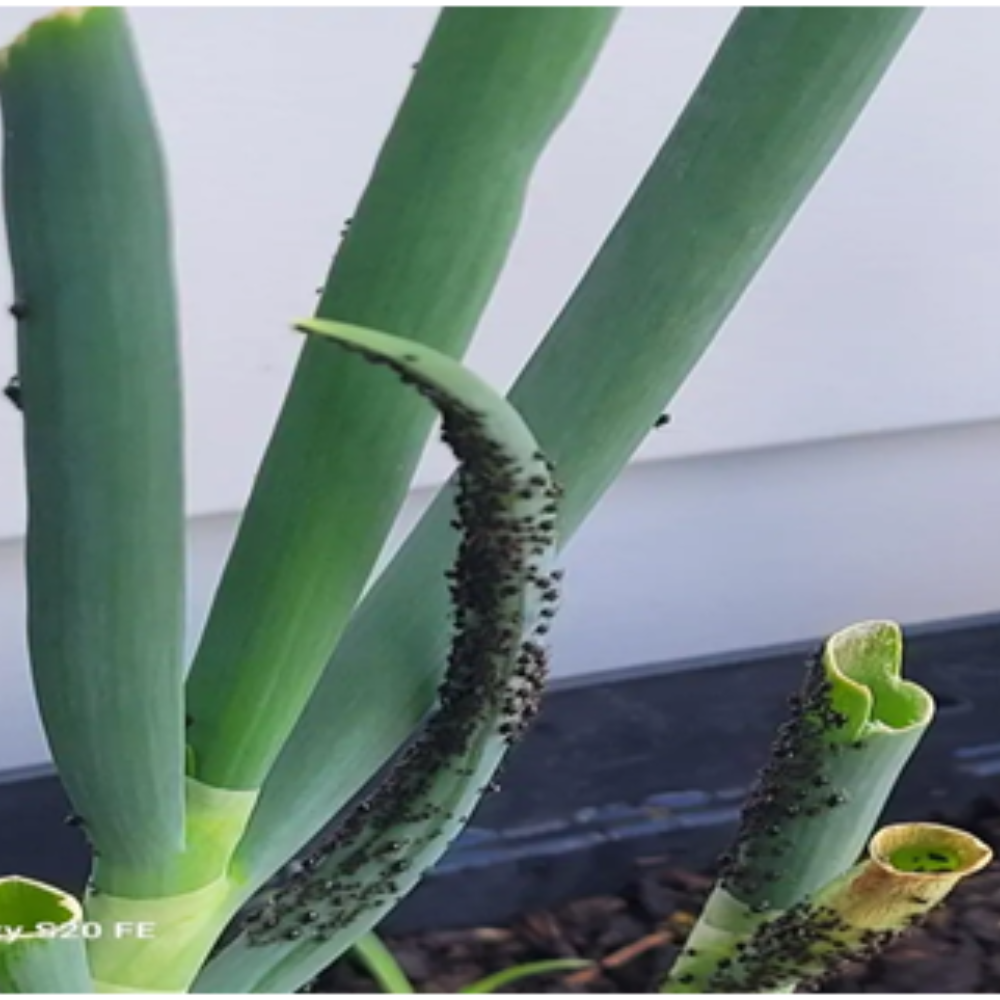
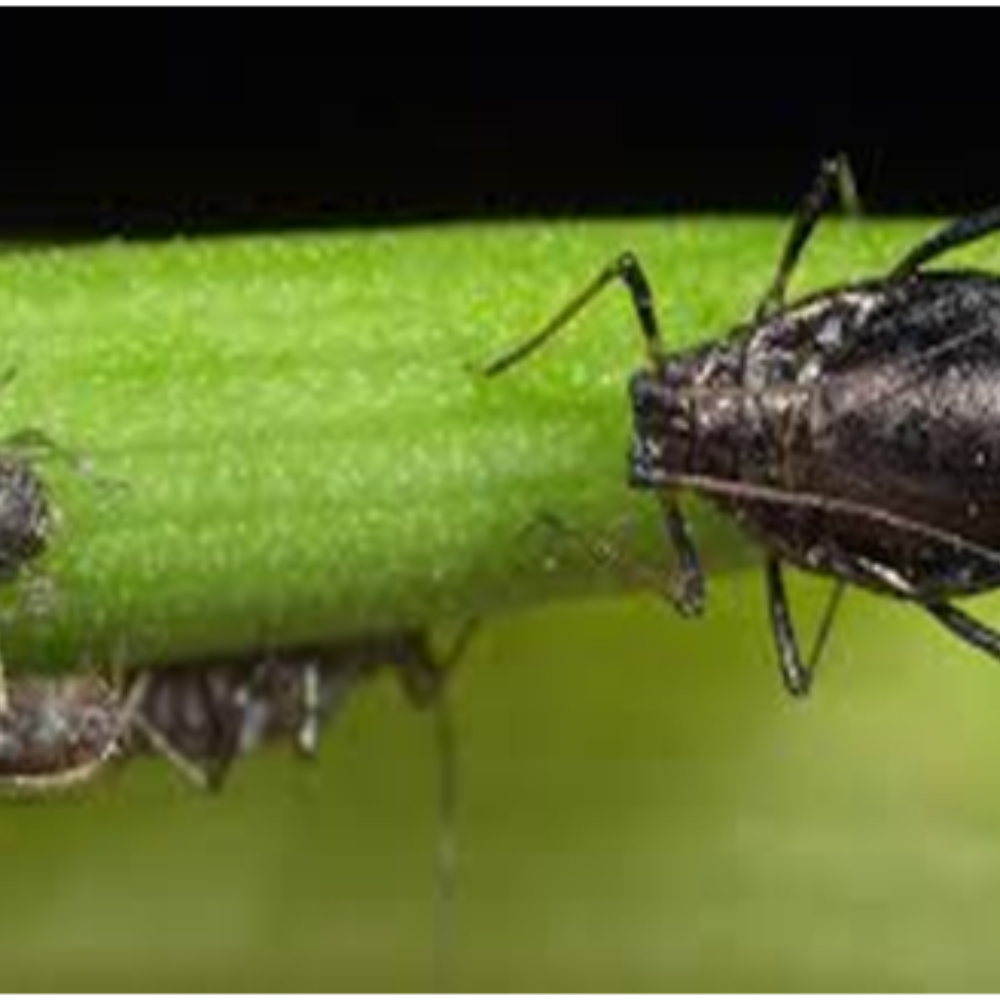
| Imidacloprid 17.8% SL @ 40 ml/acre or Thiamethoxam 25% WG @ 40 g/acre or Dimethoate 30% EC @ 200 ml/acre, Profenophos50% EC 300ml/acre, Acephate 20% 100ml/acre • Mix in 200 L water/acre | Yellow sticky traps (20–25 traps/acre) |
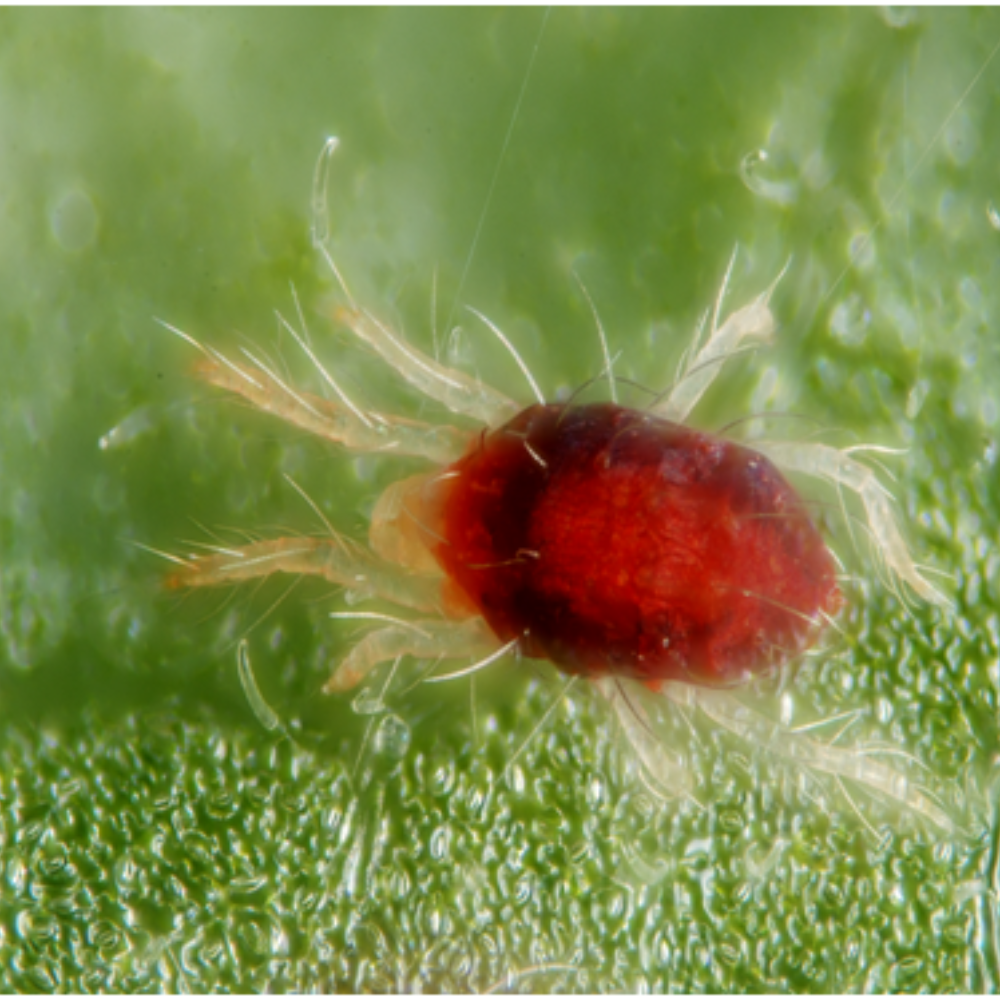
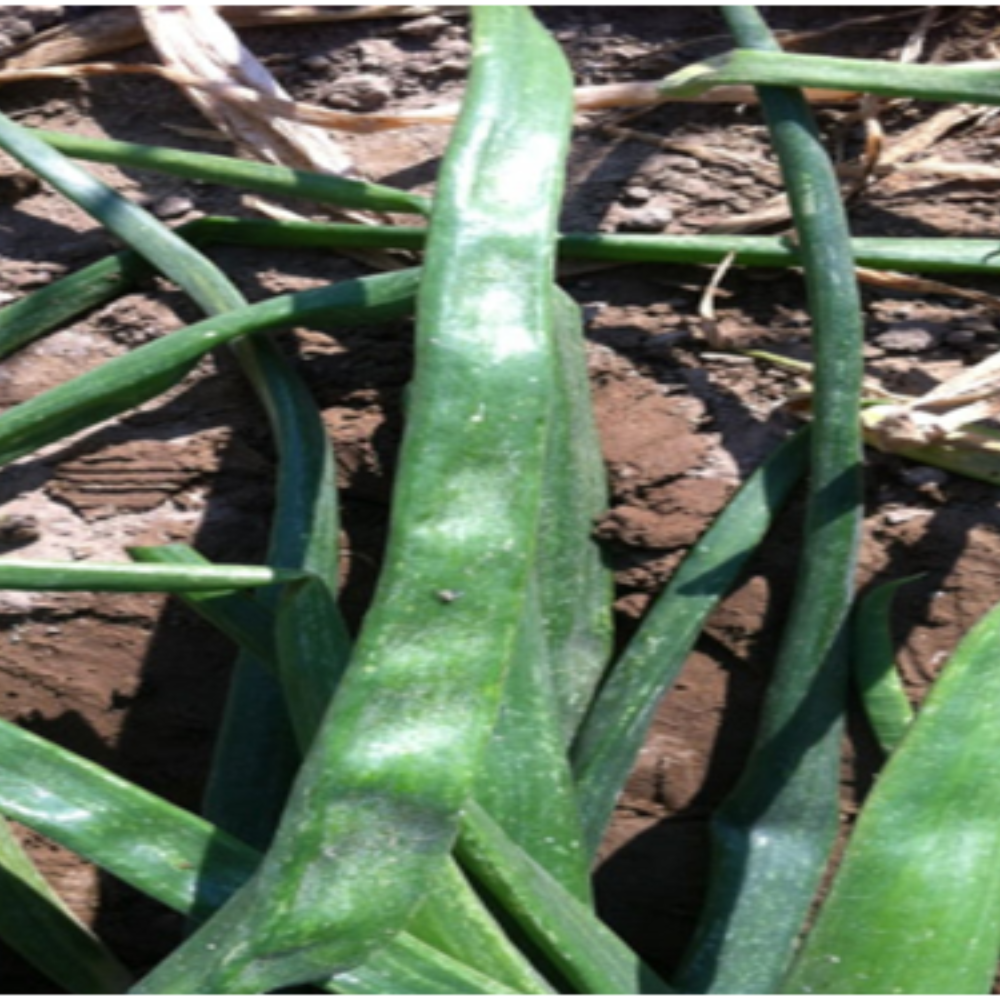
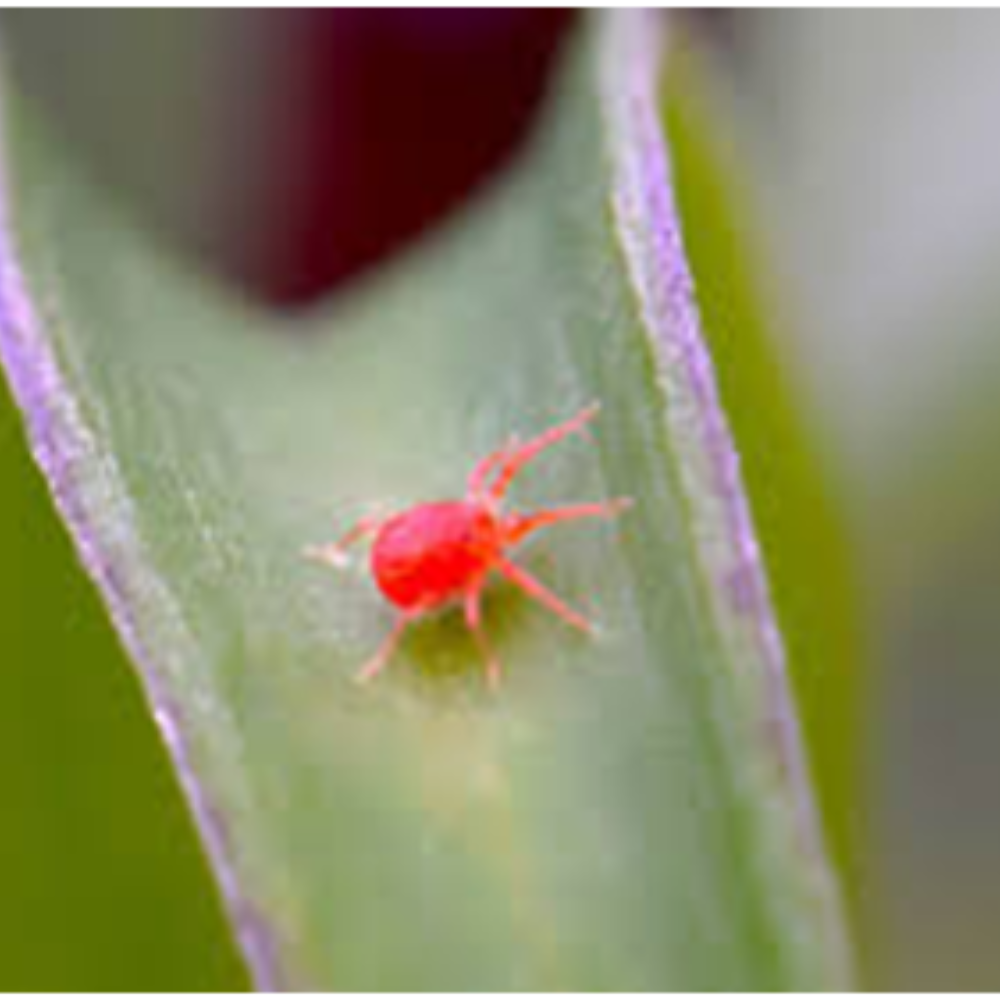
10. Red Spider Mite (Tetranychus urticae)
| Symptoms | Chemical recommendation | Traps |
|---|---|---|
| Abamectin 1.9% EC @ 160 ml/acre • Mix in 200 L water/acre | Yellow or blue sticky traps |
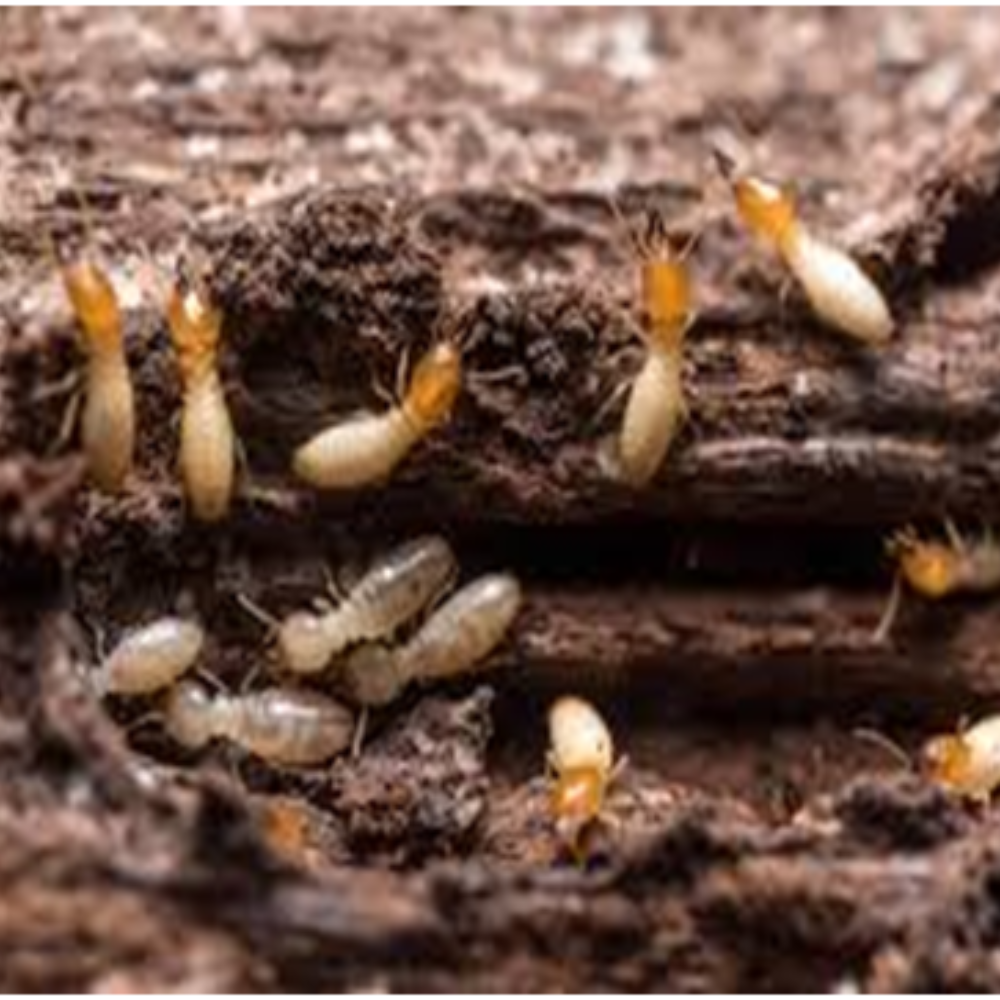
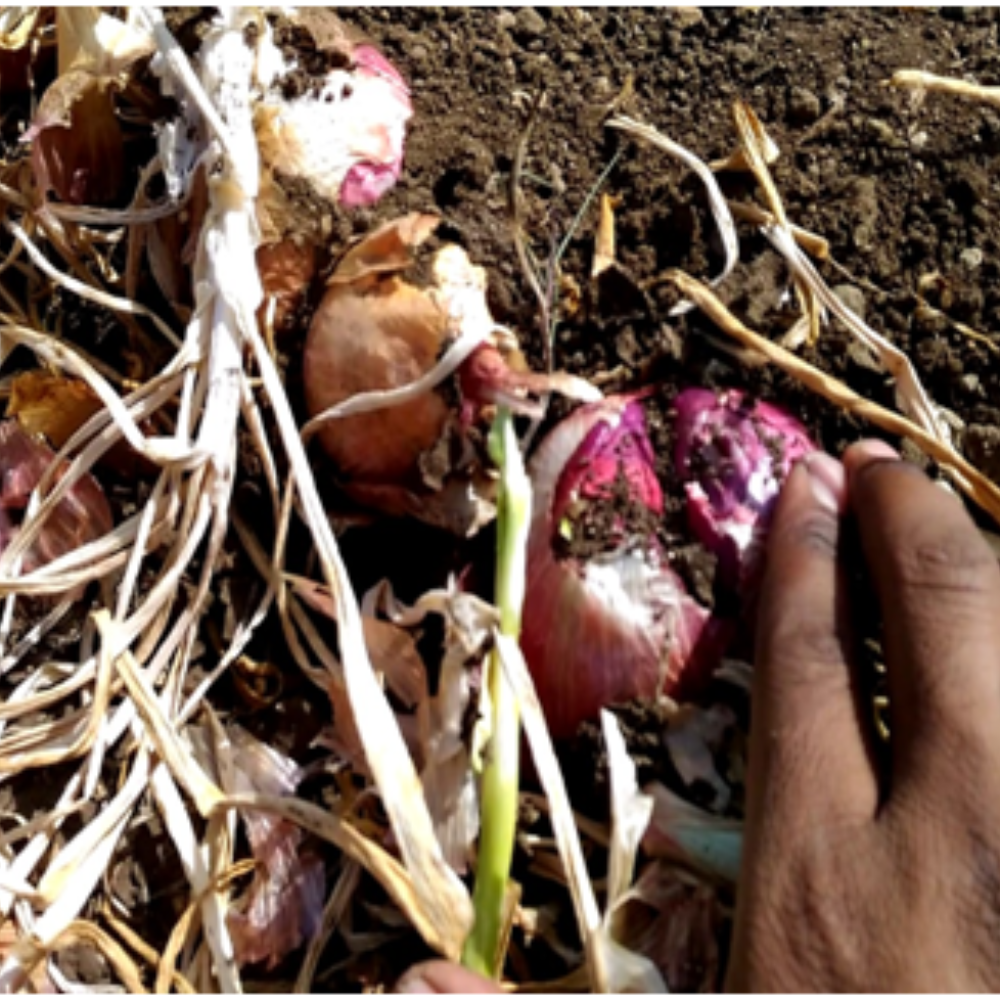
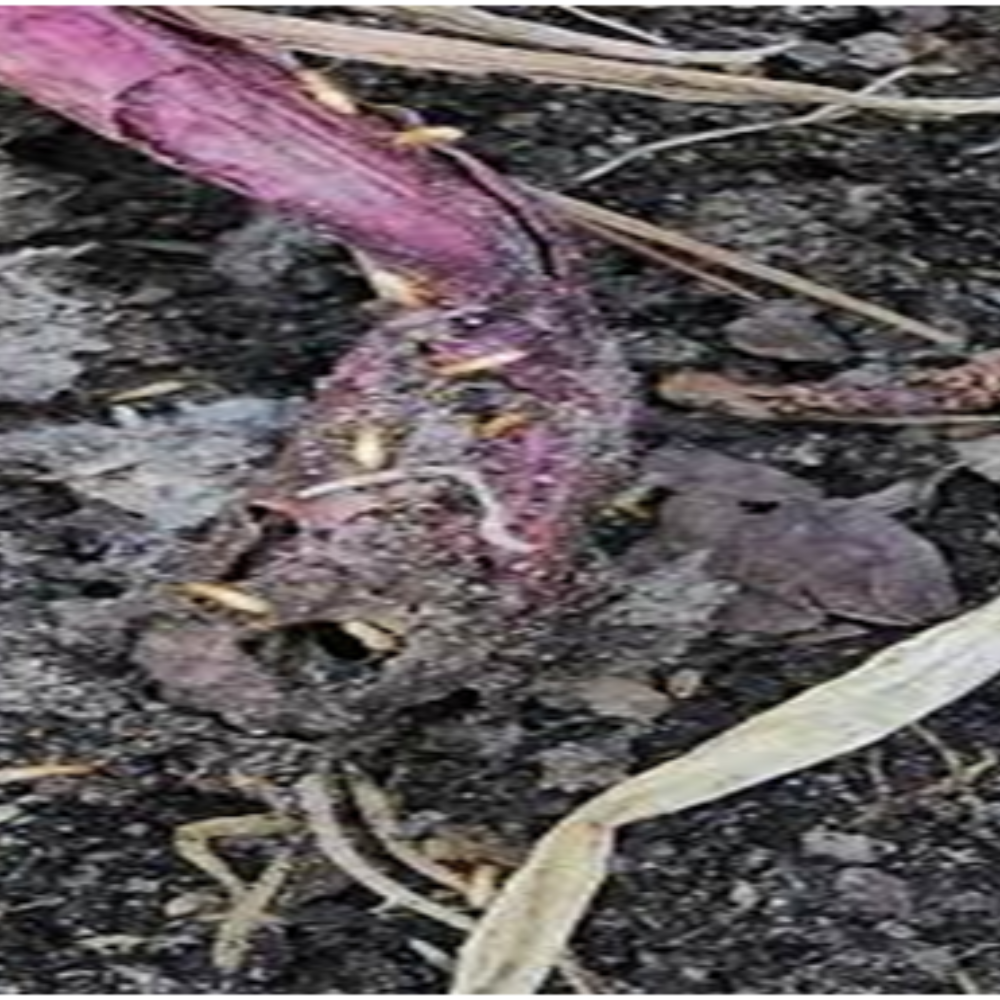
11. Termite (Odontotermes spp.)
| Symptoms | Chemical recommendation | Traps |
|---|---|---|
| Chlorpyriphos 20% EC @ 1 L/acre or Fipronil 5% SC @ 400 ml/acre • Apply as soil drench | Bait traps (wood pieces soaked in water) |
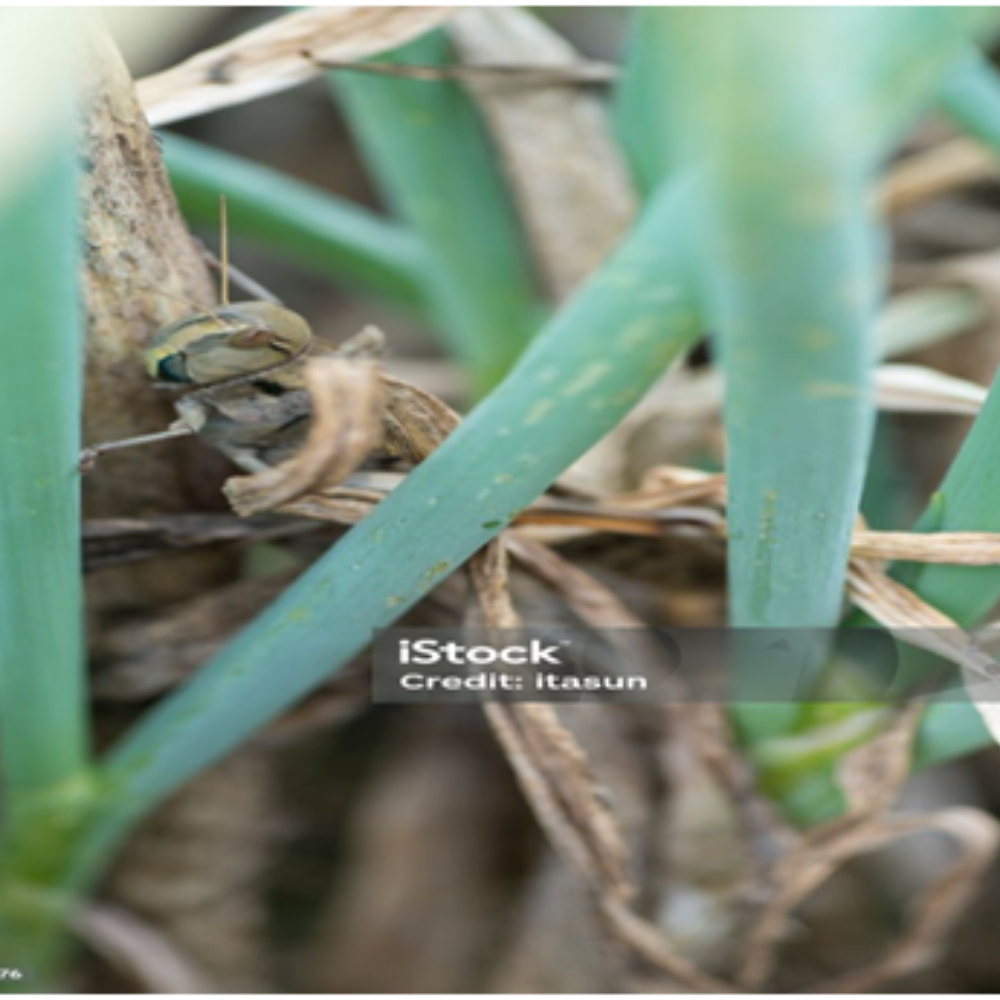
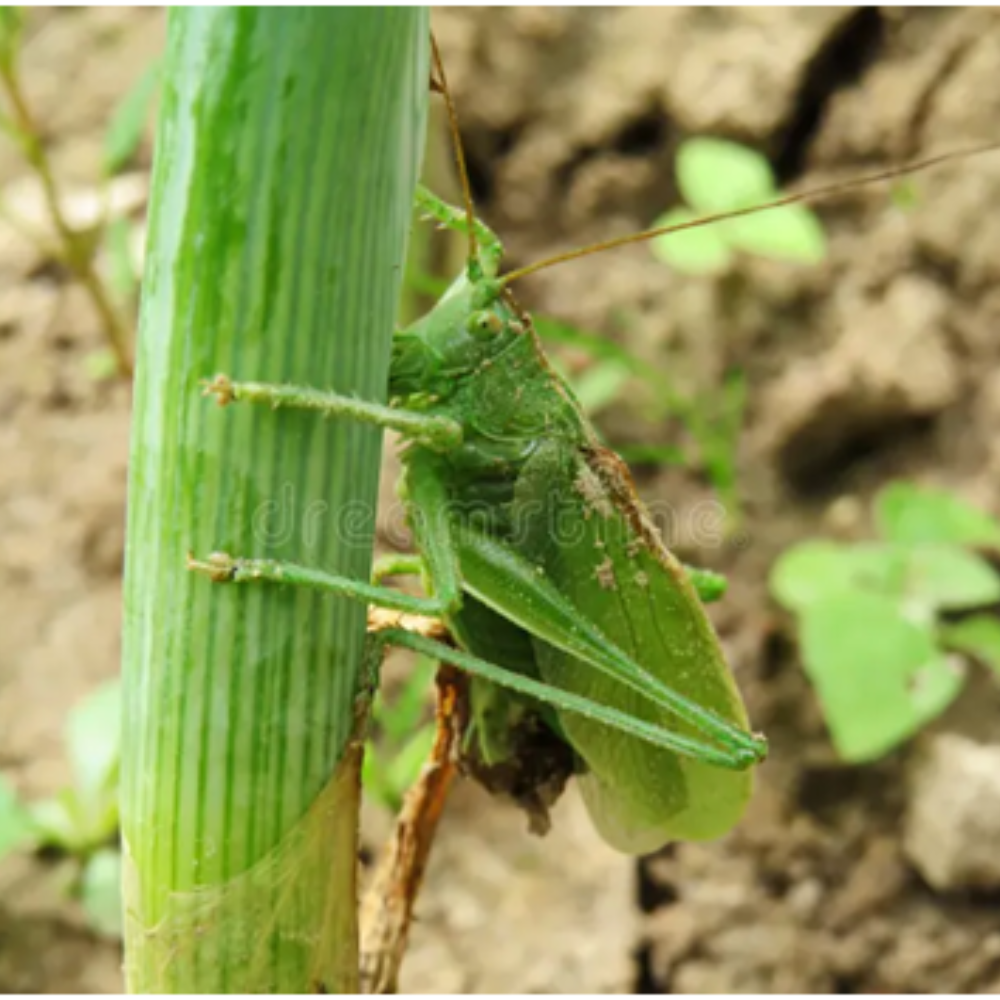
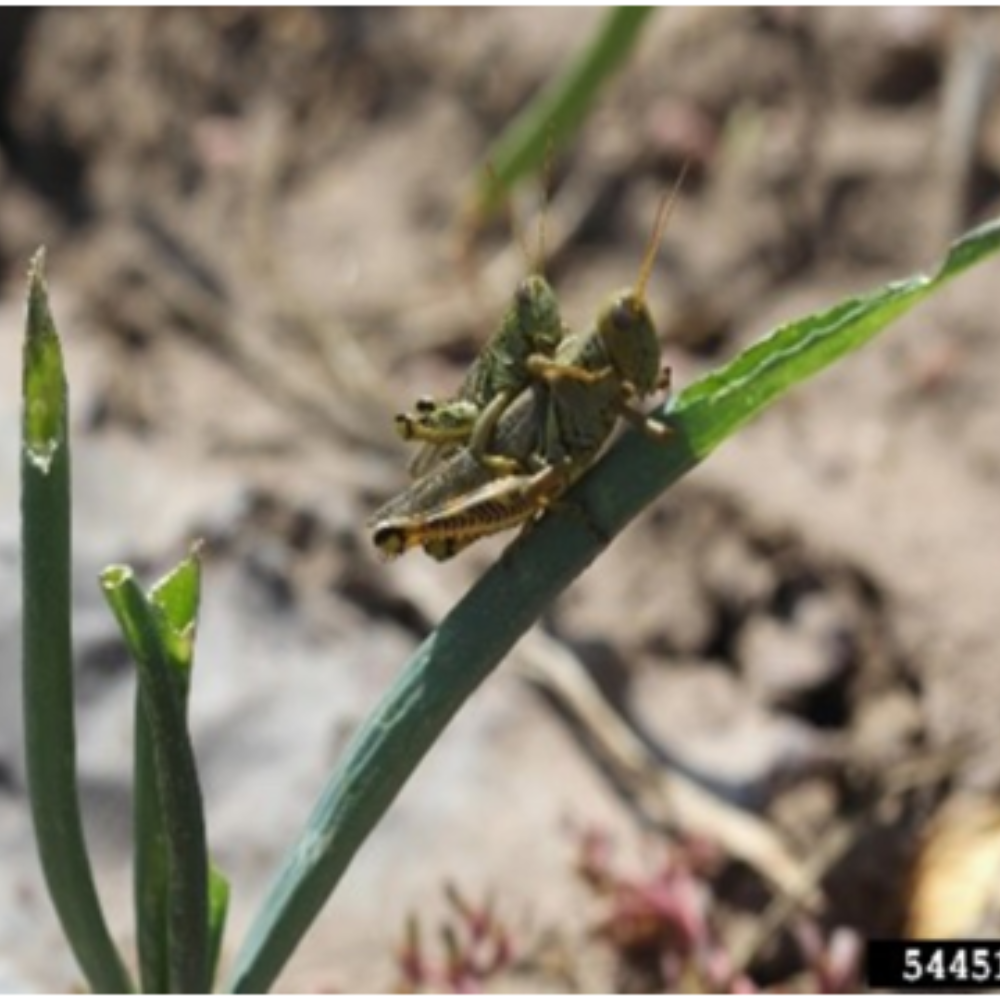
12. Grasshopper
| Symptoms | Chemical recommendation | Traps |
|---|---|---|
| Malathion 50% EC @ 400 ml/acre or Lambda-cyhalothrin 2.5% EC @ 120 ml/acre, Pride 20% 100gm/acre, Profenophos 300ml/acre • Mix in 200 L water/acre | Light traps (evening time) |
DISEASE MANAGEMENT
1. Damping-off (Fusarium spp., Pythium spp., Sclerotium rolfsii)
| Symptoms | Chemical recommendation |
|---|---|
| Thiram @ 2 g/kg seed (seed treatment); Nursery drench/soil drench Thiram @ 2 g/L water; Trichoderma viride soil application @ 0.5 kg/acre. Metalaxyl + Mancozeb 72% WP 2–2.5 g/L water, Kasugamycin5%+COC 45%WP 100gm/acre, Tebuconazole 300ml/acre, Sulphur 80%WG 1kg/acre |
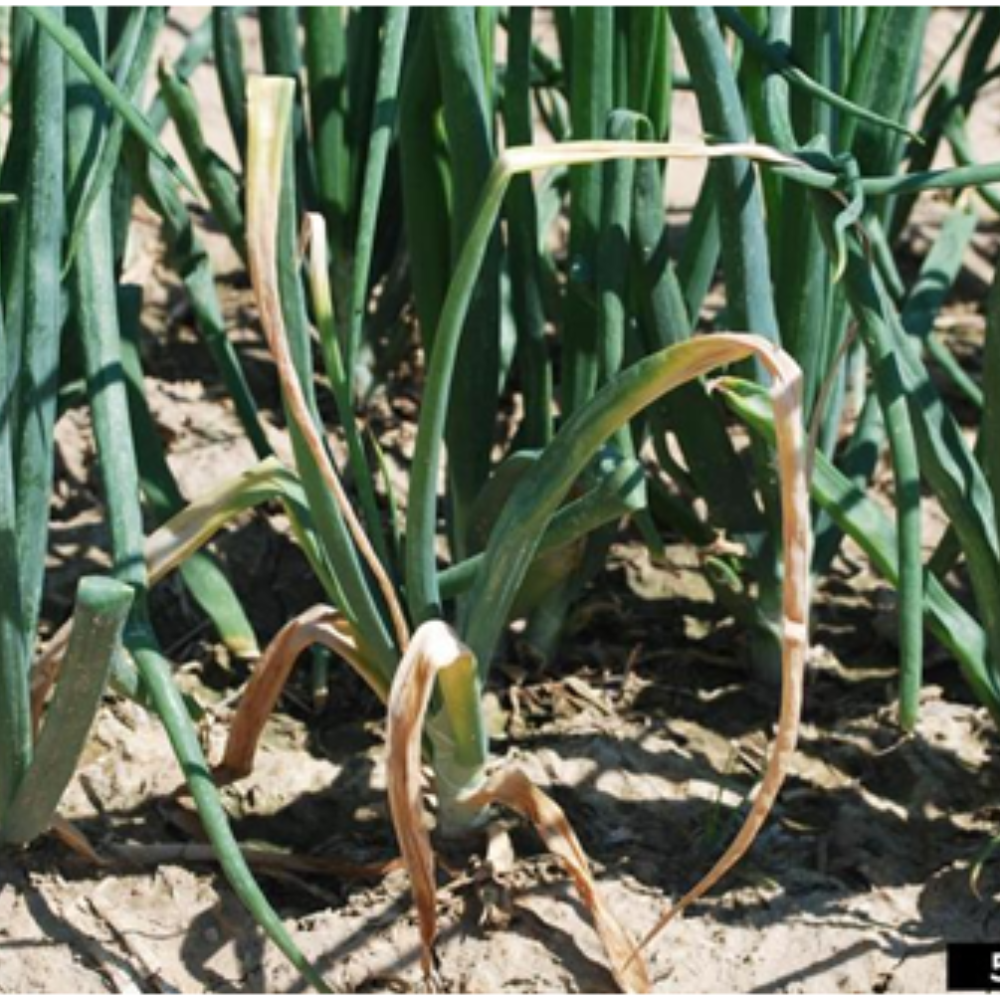
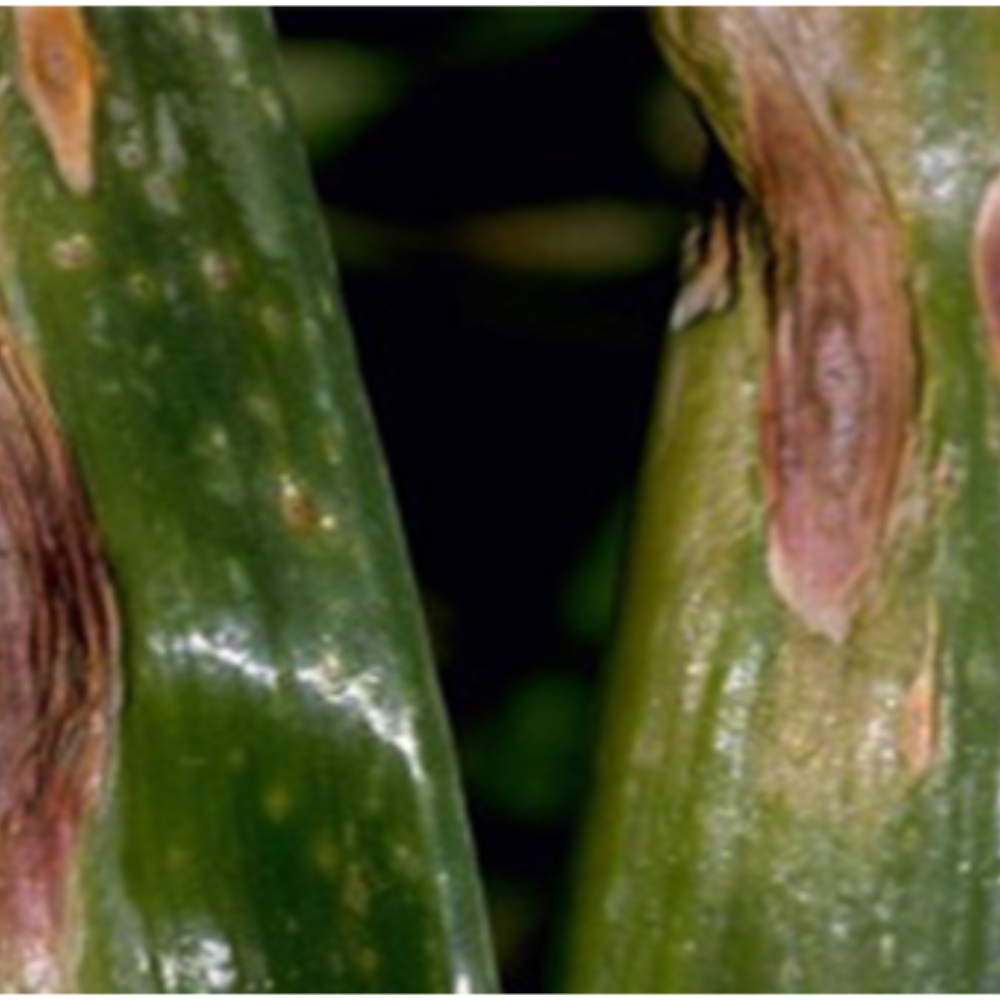
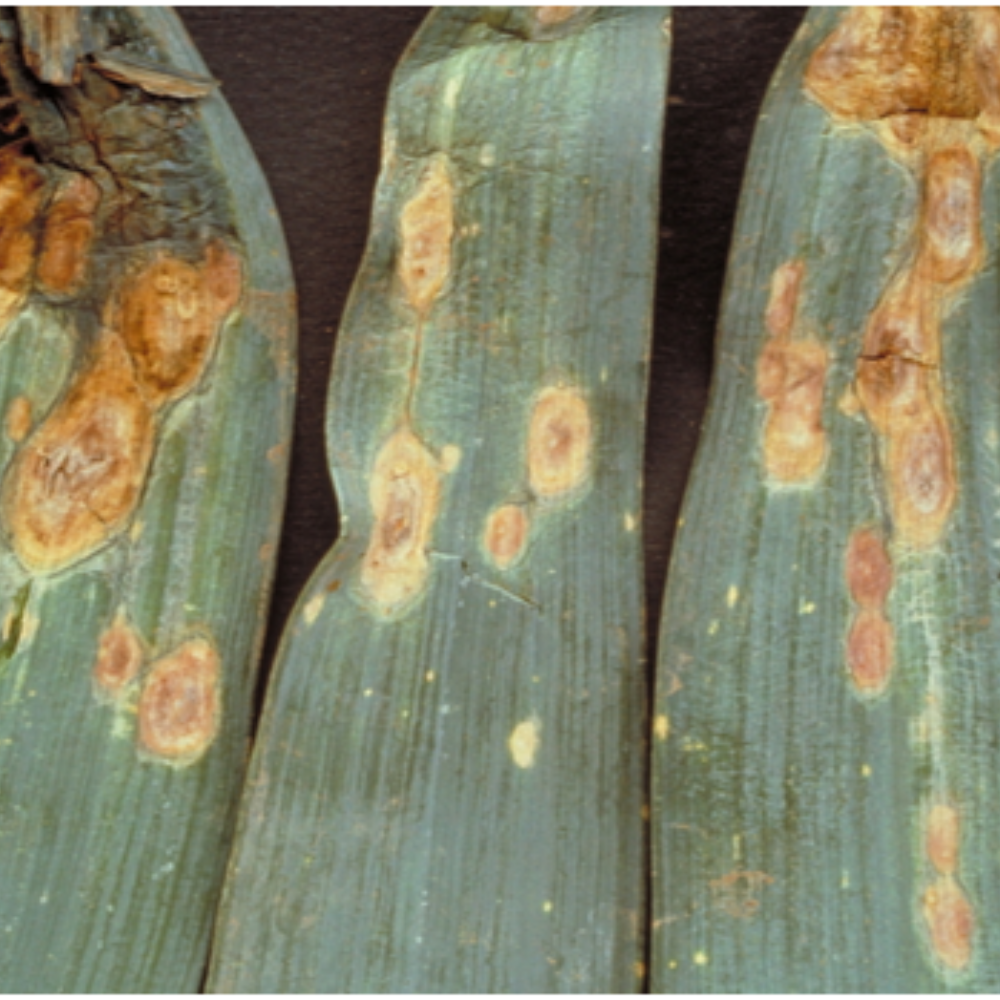
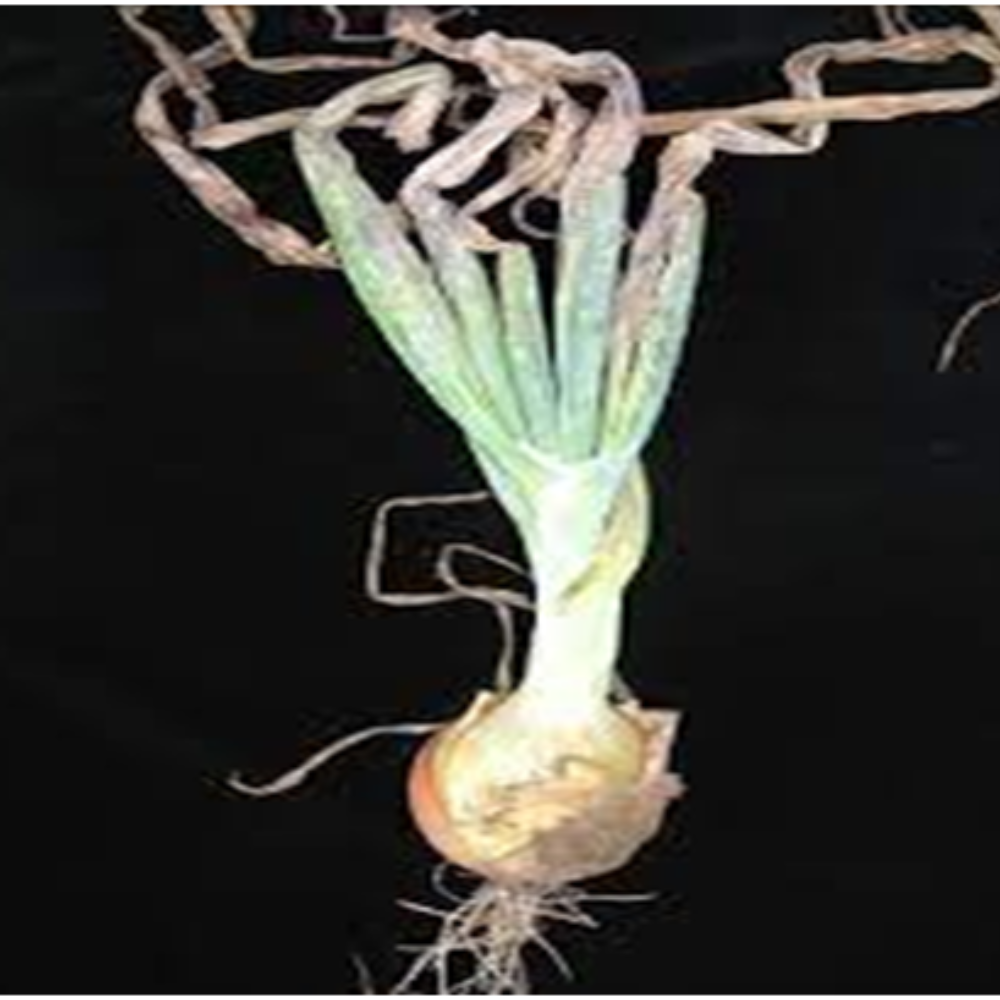
2. Purple Blotch (Alternaria porri)
| Symptoms | Chemical recommendations |
|---|---|
| Mancozeb 75% WP @ 2.5 g/L water or Chlorothalonil @ 2 g/L or Iprodione @ 2.5 g/L, Mix in 200 L of water per acre (approx. 500 g Mancozeb per acre). |
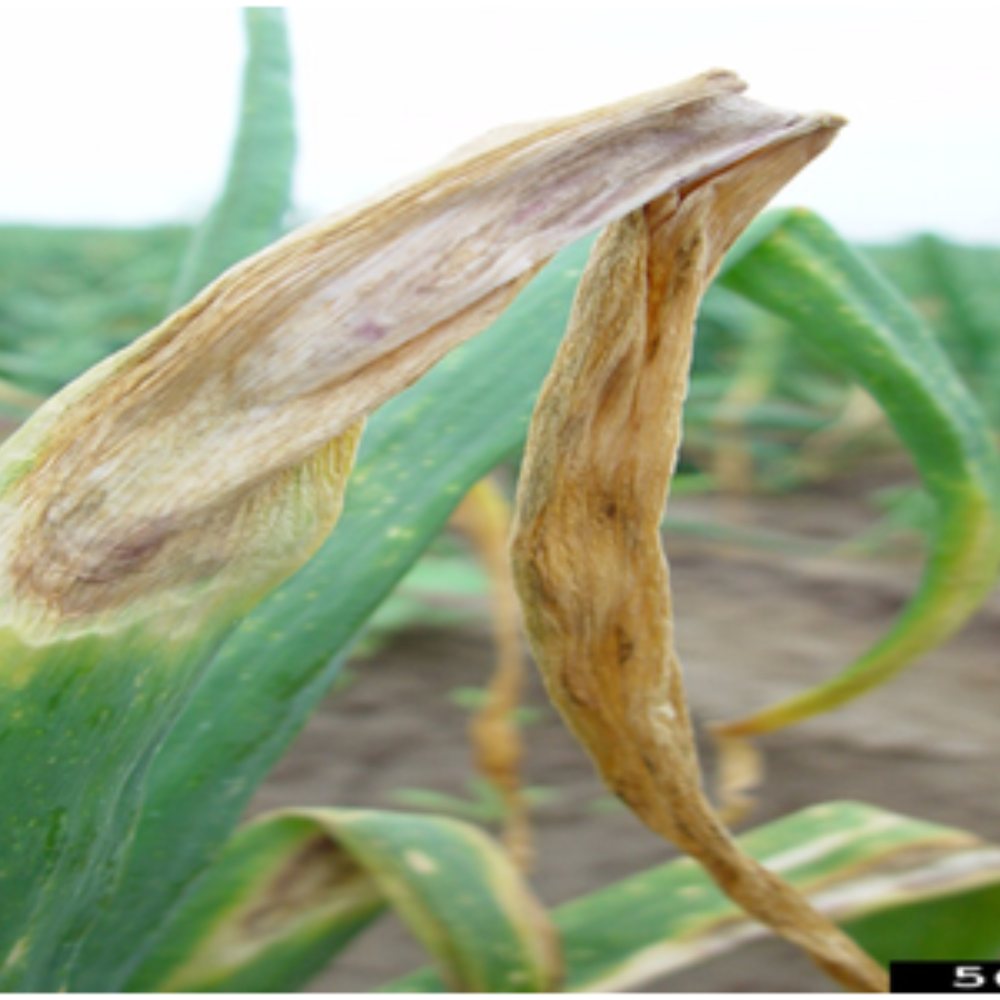
3. Stemphylium Leaf Blight (Stemphylium vesicarium)
| Symptoms | Chemical recommendations |
|---|---|
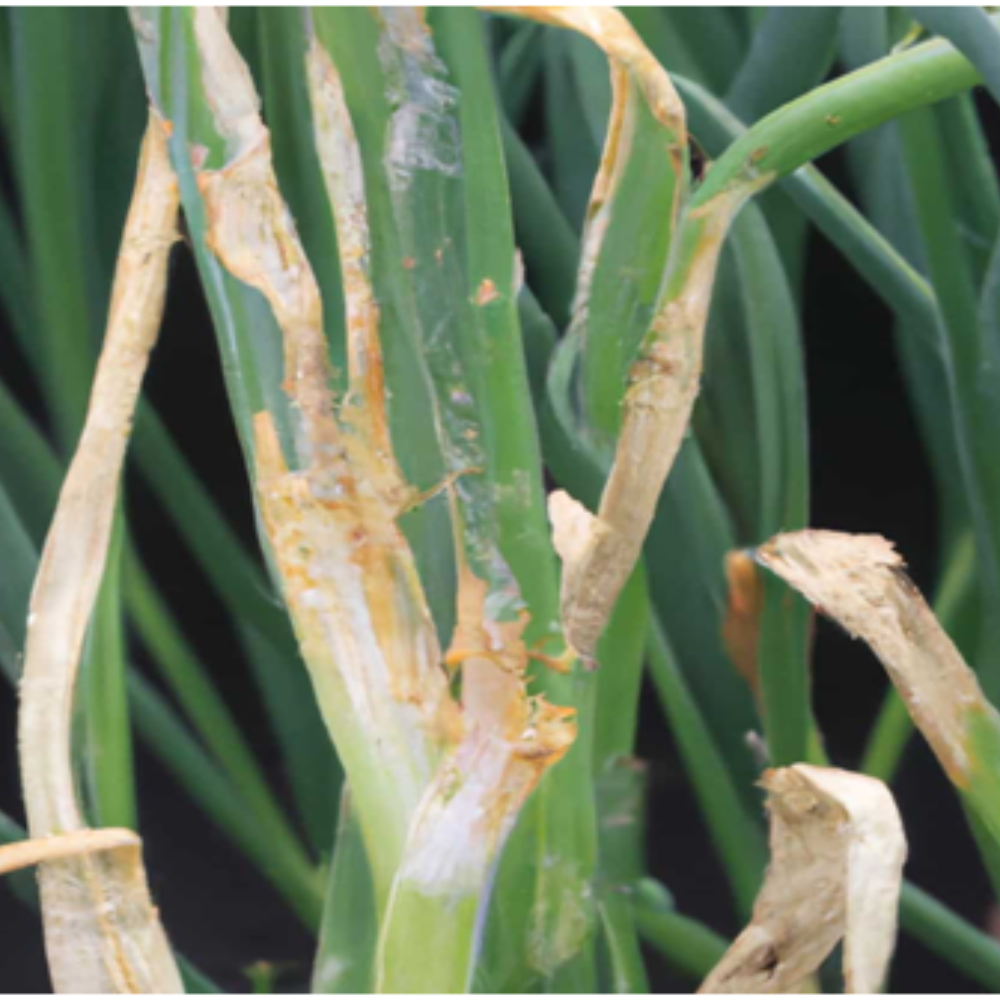
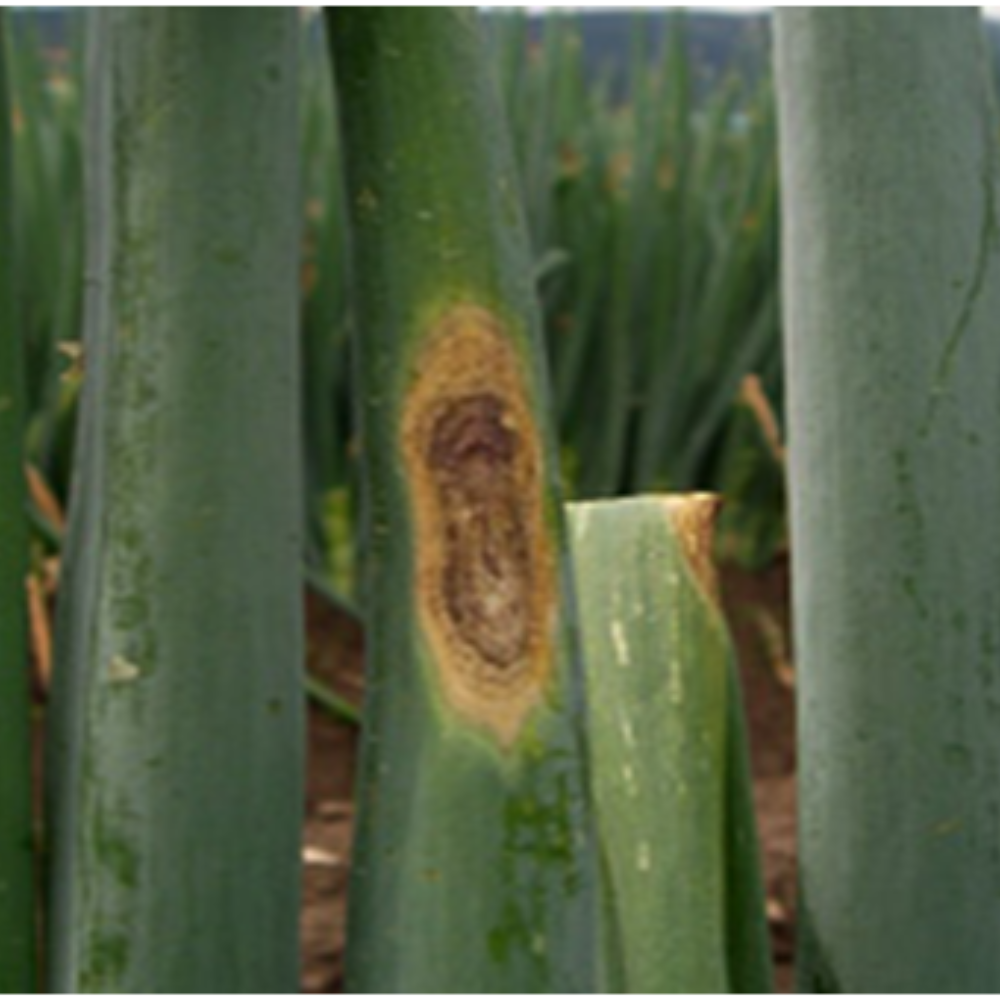
| Fluopyram 50% SC @ 30 g a.i./acre or Tebuconazole 25% EC @ 30 g a.i./acre or Propiconazole 25% EC @ 50 g a.i./acre or Difenoconazole 25% EC @ 50 g a.i./acre, Carbendazim 50% WP 250gm/acre Azoxystrobin 23% SC 0.8–1 ml/L water |
4. Downy Mildew (Peronospora destructor)
| Symptoms | Chemical recommendations |
|---|---|
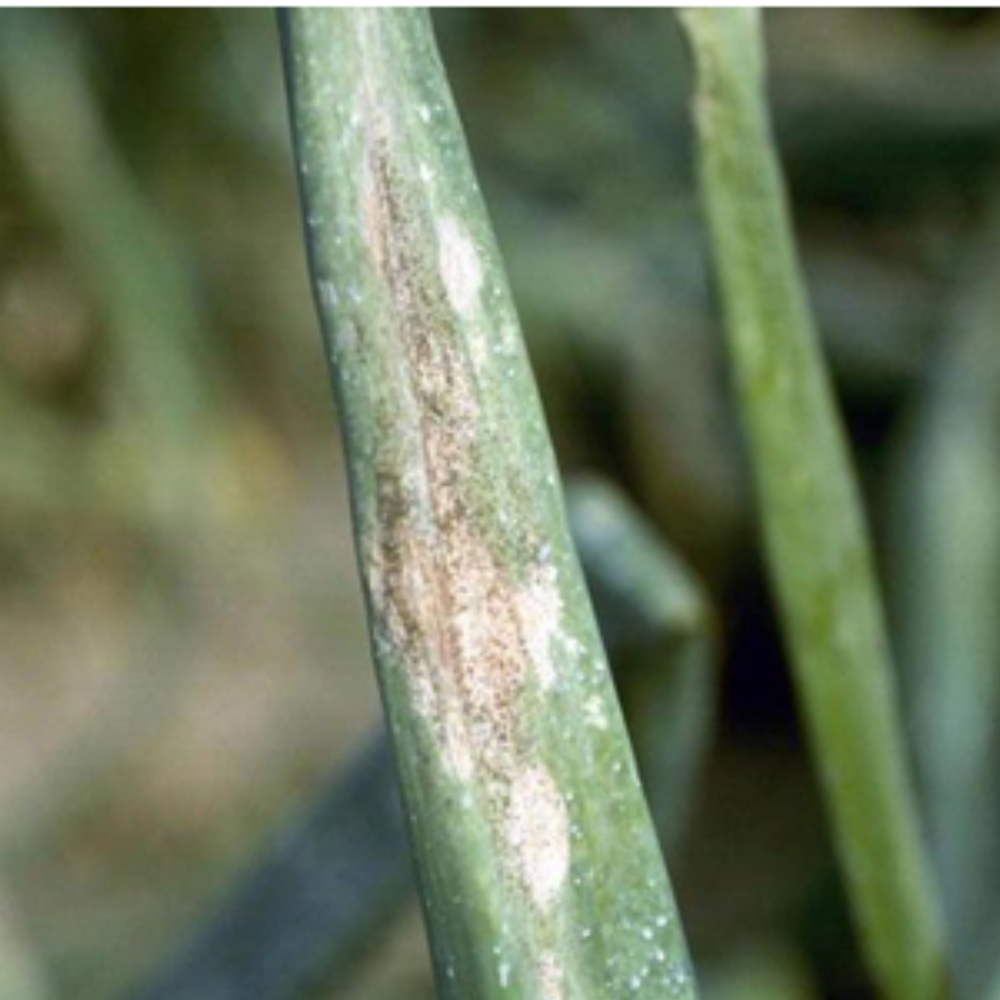
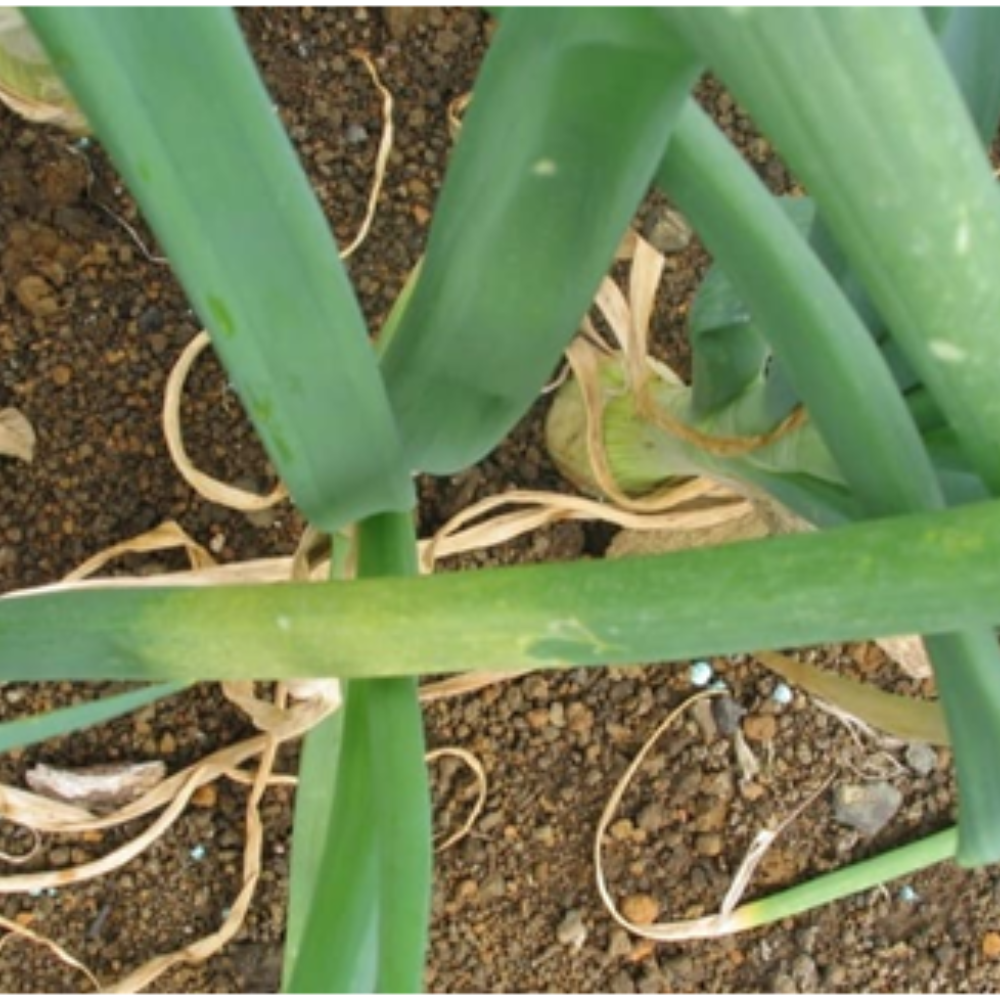
| Zineb 75% WP @ 450–600 g/acre or Metalaxyl + Mancozeb @ 600 g/acre or Fosetyl-Al @ 400 g/acre. Tebuconazole 25.9% EC @ 250ml/acre Mix in 200 L of water per acre; spray thoroughly covering leaves. |
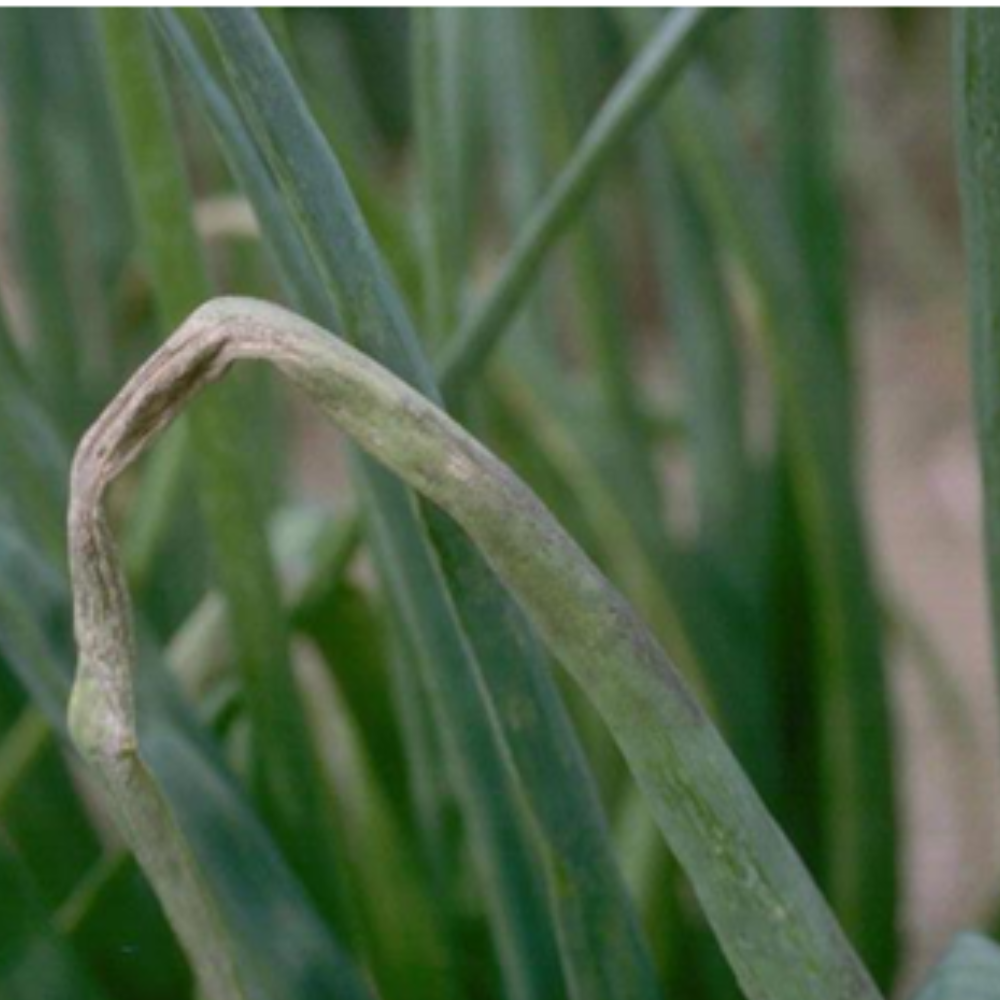
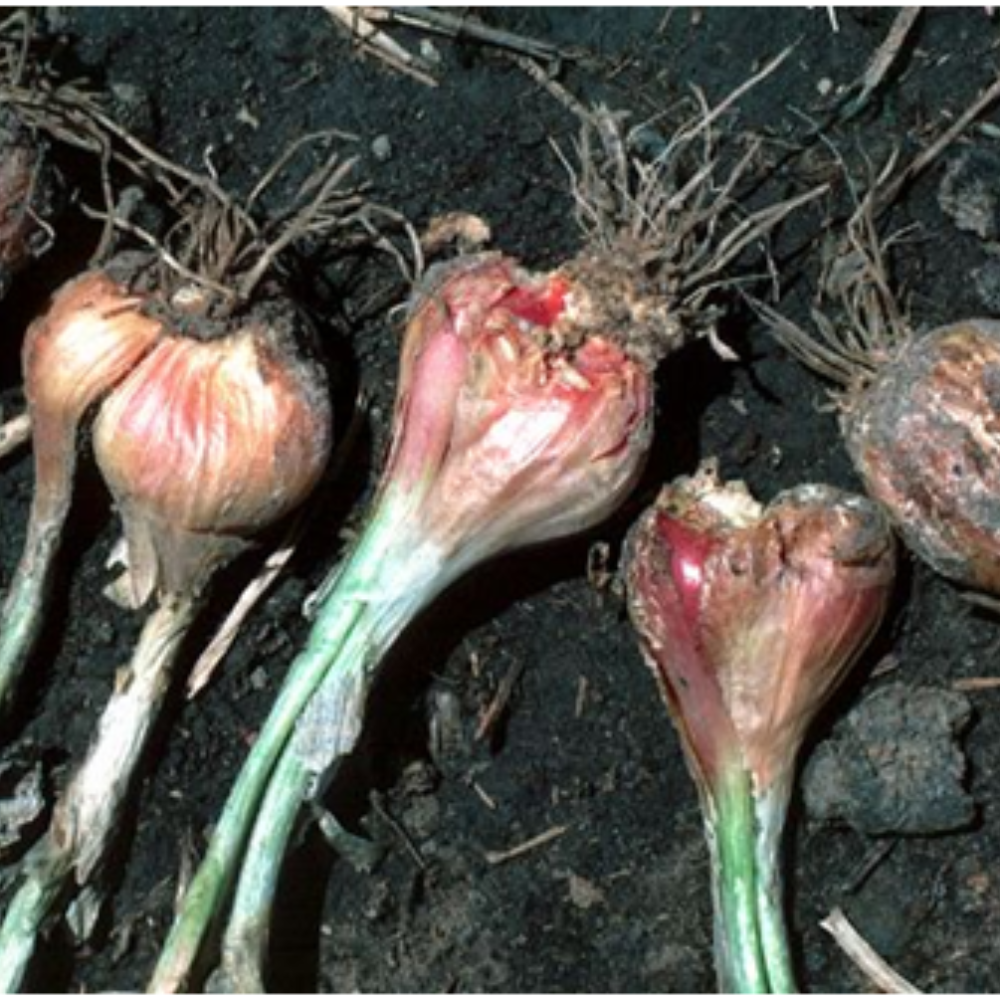
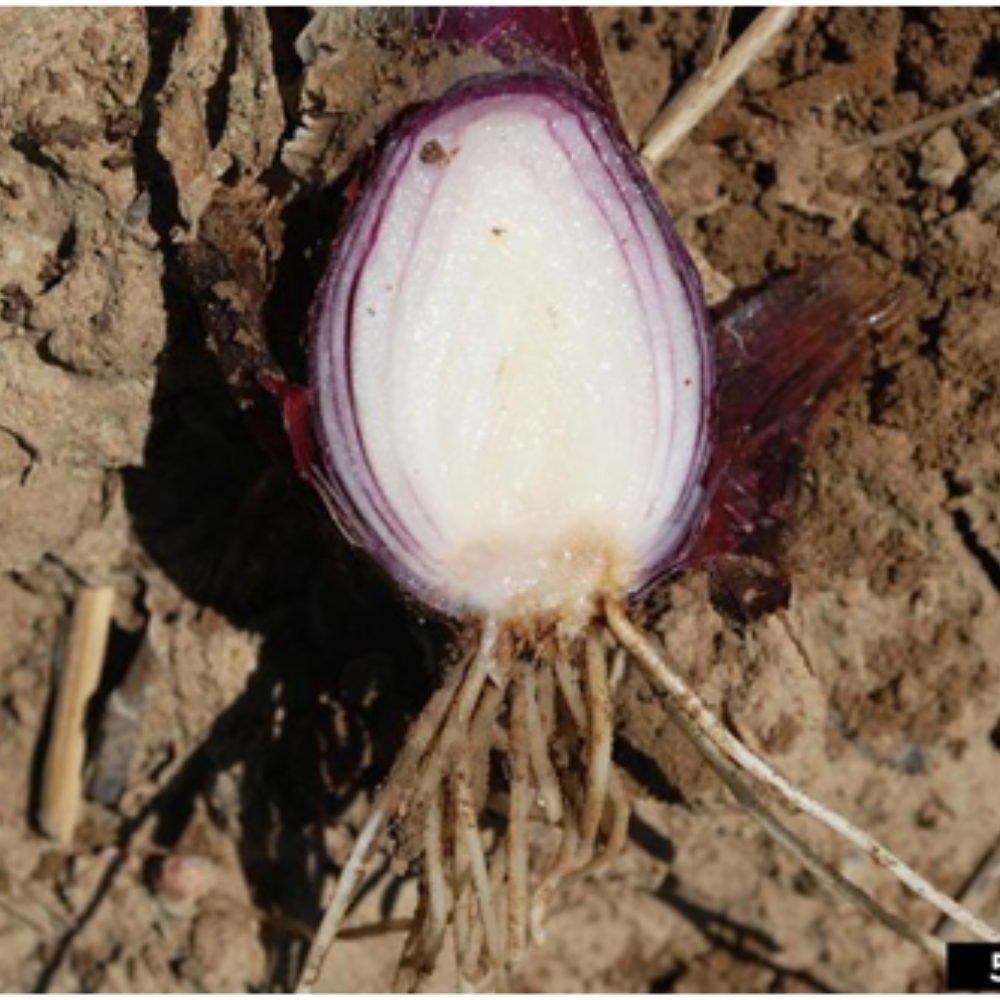
5. Basal Rot / Fusarium (Fusarium oxysporum f.sp. cepae)f
| Symptoms | Chemical recommendations |
|---|---|
| Prochloraz @ 3 g/kg seed (seed treatment); or use fungicides like azoxystrobin + tebuconazole or fludioxonil + sedaxen for soil/bulb protection. Apply 3 g of chemical per kg of seed or as per product label for soil drench (~0.5 kg/acre). |
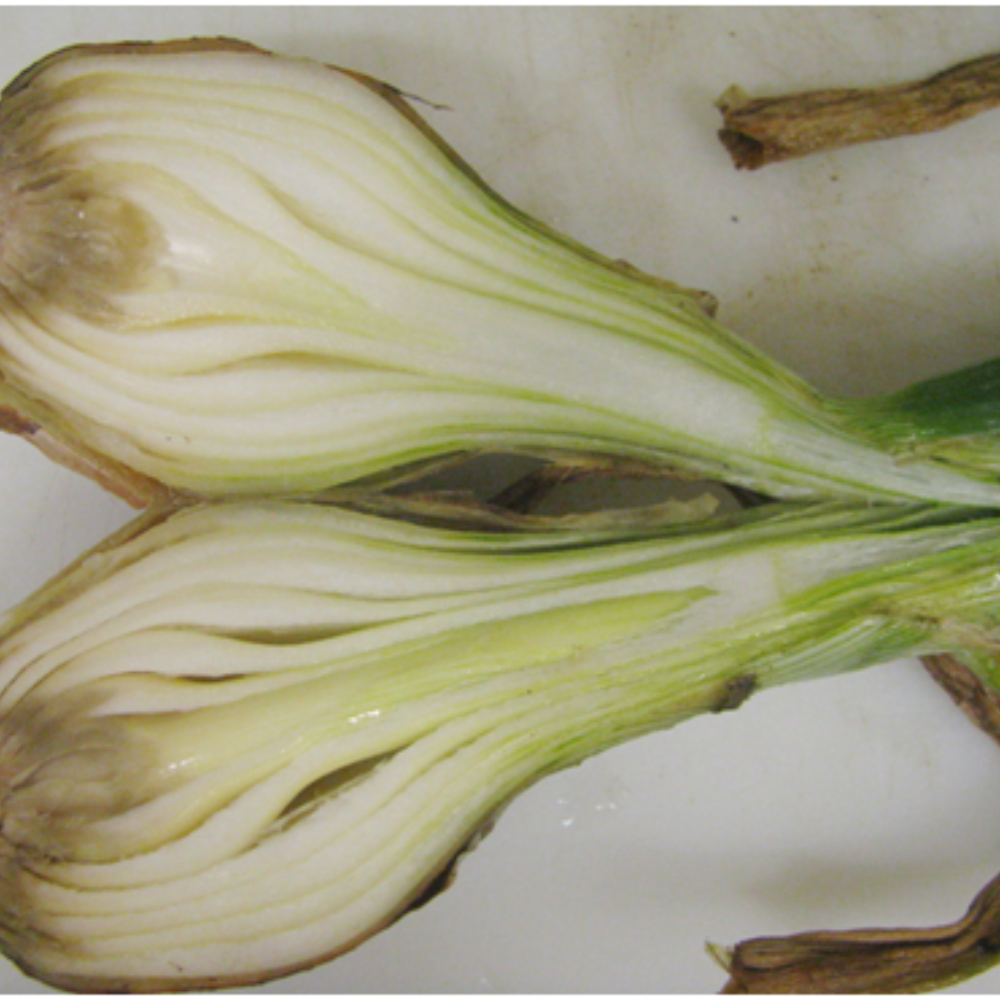
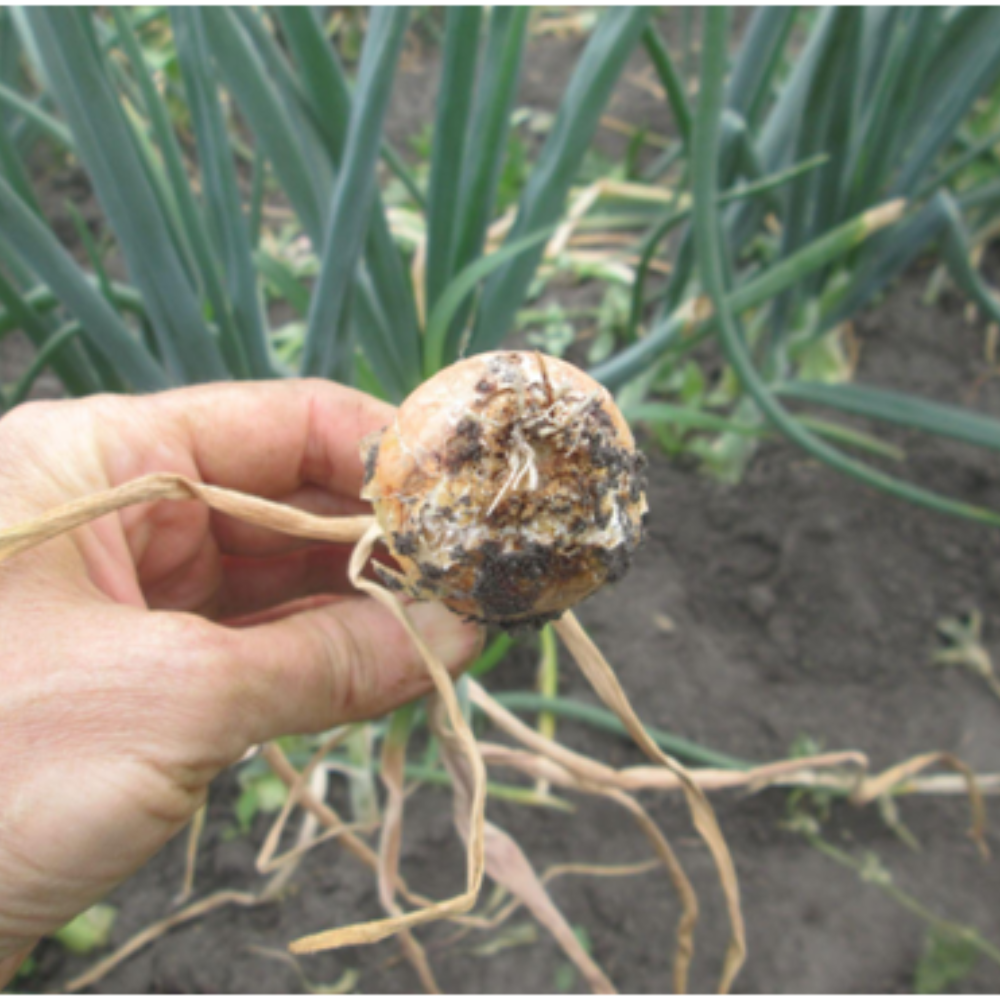
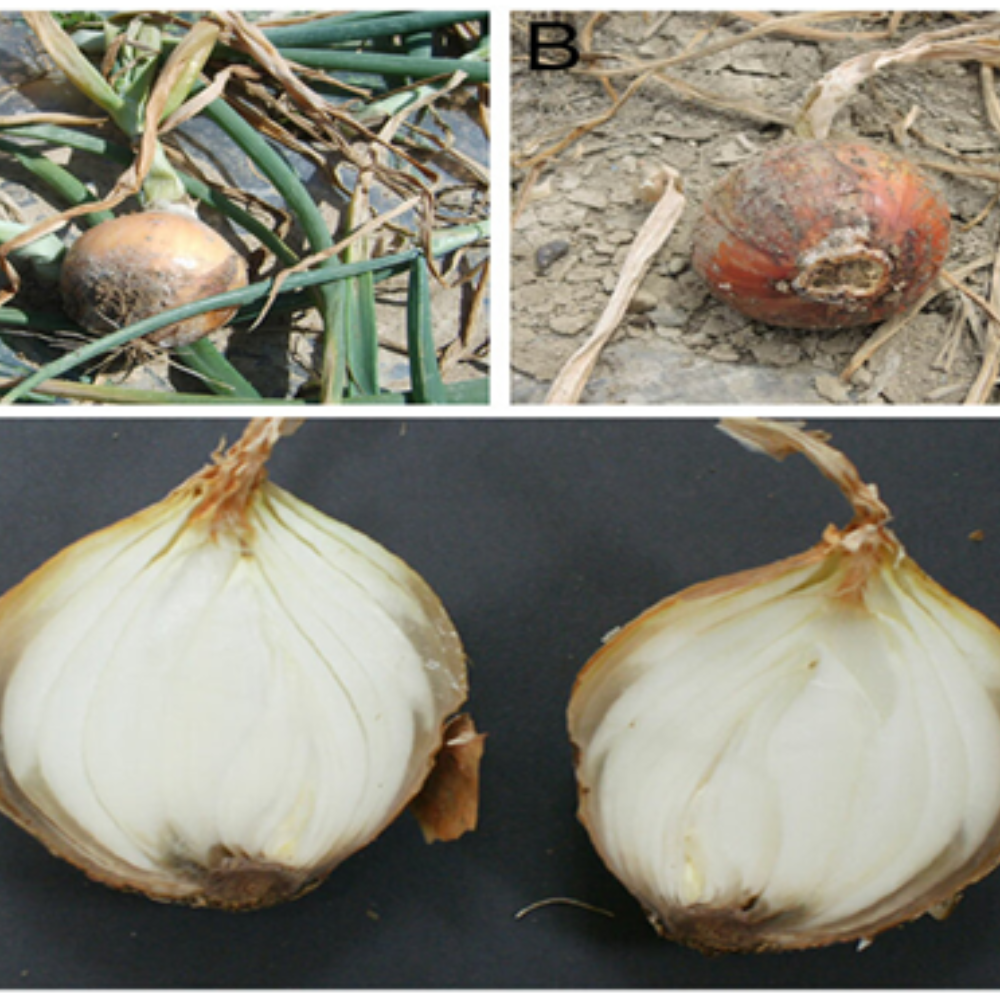
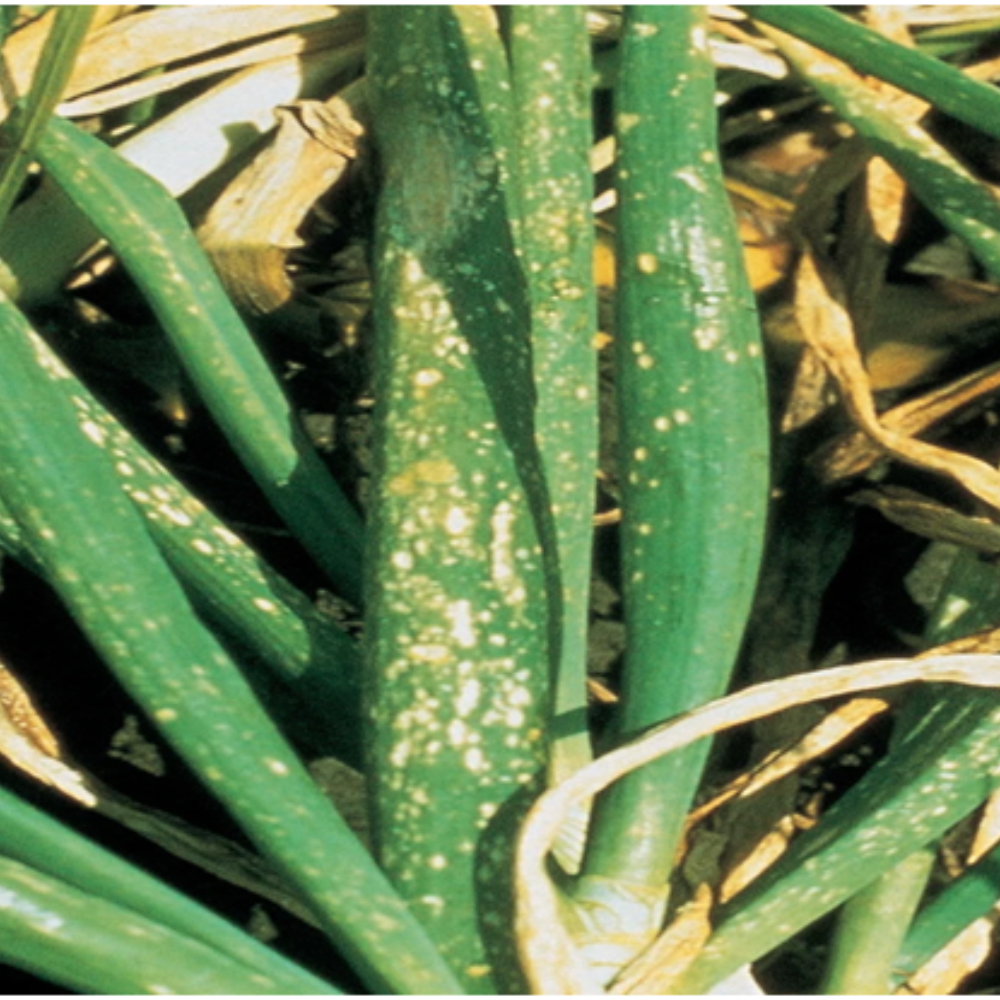
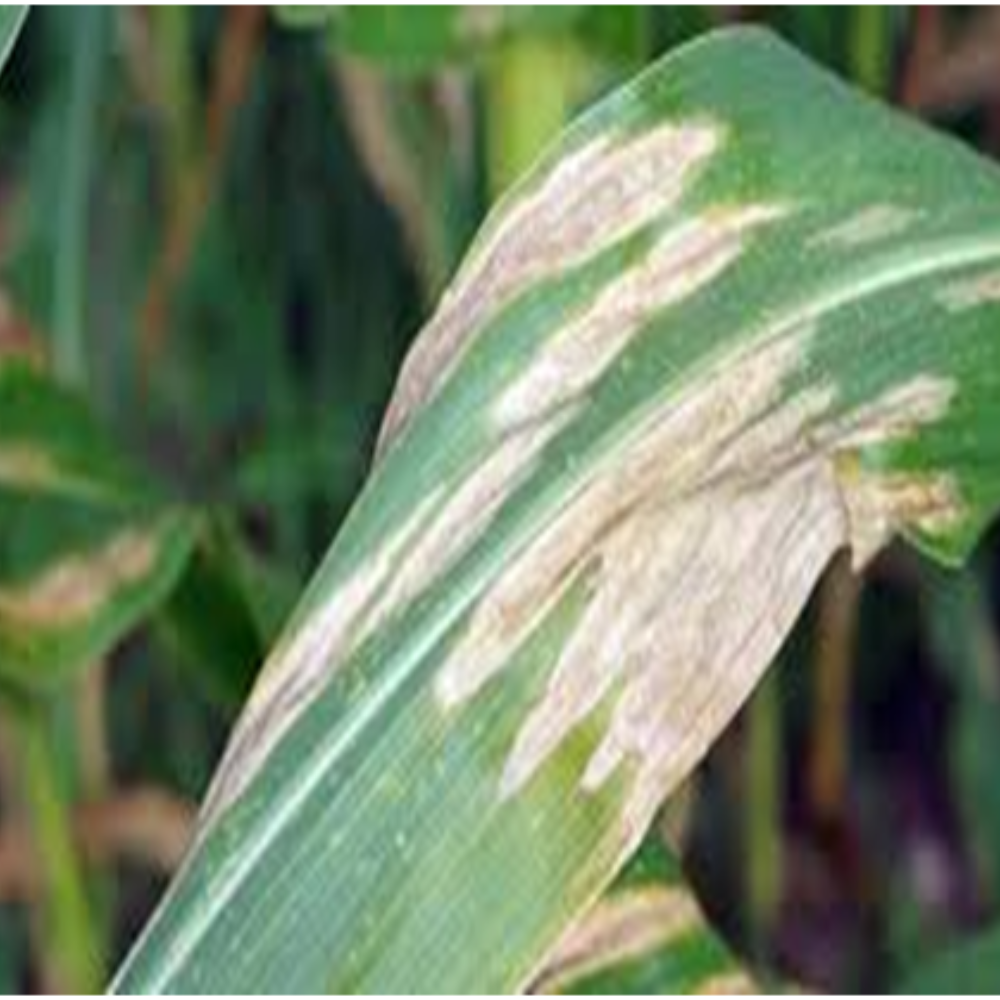
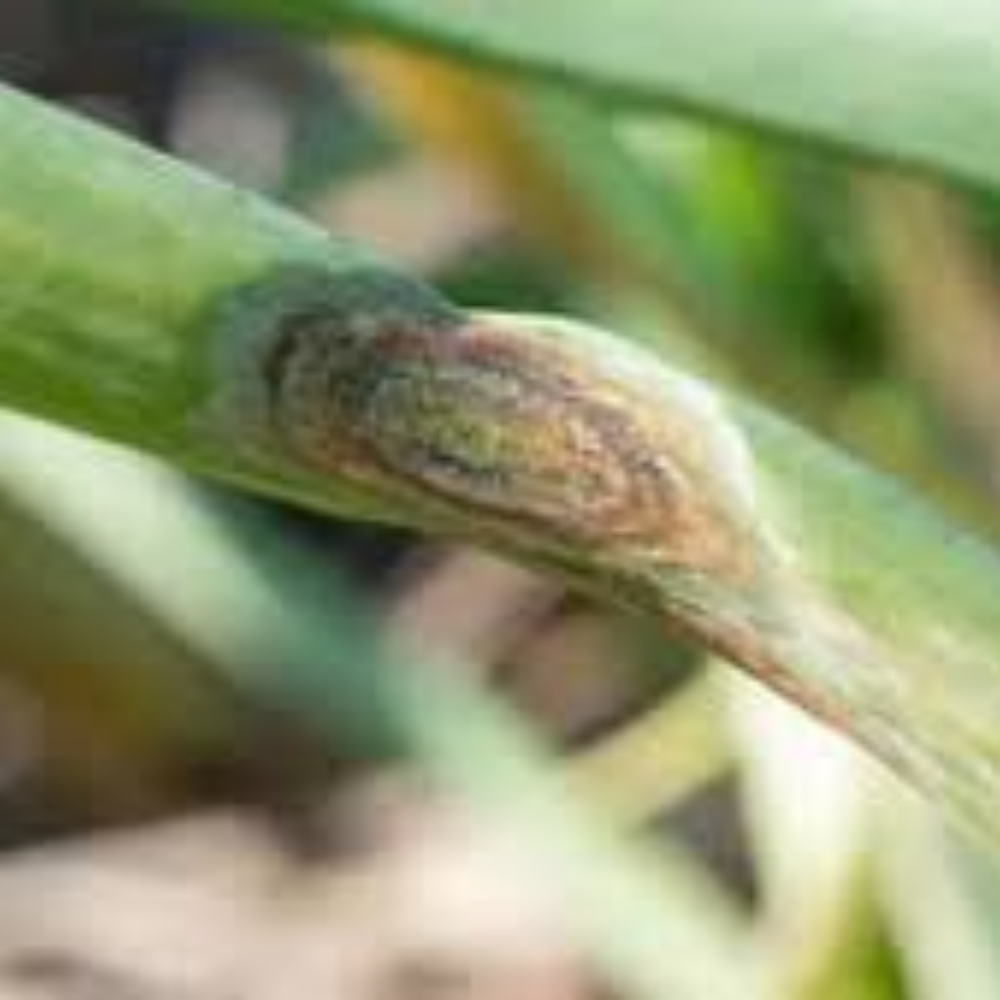
6. Leaf / Foliar Blight (Various fungal pathogens)
| Symptoms | Chemical recommendations |
|---|---|
| Chlorothalonil, Mancozeb, or Iprodione contact fungicides @ 2 g/L water. Mix in 200–300 L of water per acre (400–600 g per acre). |
HARVESTING AND YIELD
Harvest when the leaves turn yellow and 50% have bent. Dig up the tubers and dry them in the sun for one week. A yield of 20 to 25 tons per hectare can be obtained.
Before sending to market, grade the tubers based on size. By selling this way, it is possible to get a good price.